
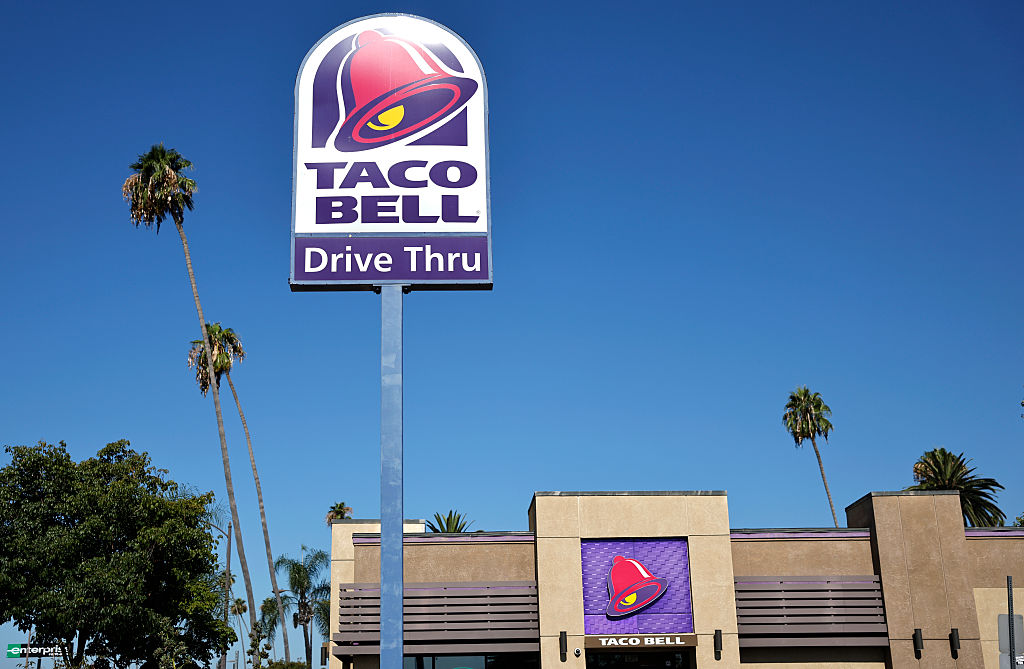
Nearly two months after cases of explosive diarrhea started mounting in several states, on July 16, the U.S. Centers for Disease Control and Prevention (CDC) issued a warning urging people not to eat shredded lettuce from Taco Bell restaurants in five states—Indiana, Kentucky, Michigan, Ohio, and West Virginia. The agency and state health officials have linked more than 1,600 cases of diarrhea to the Cyclospora parasite, which can cause gastrointestinal symptoms like explosive diarrhea. In total, the CDC is investigating nearly 7,000 confirmed or suspected cases in dozens of states across the country but says that health officials have been able to trace this group of more than 1,600 cases to a single common supplier of iceberg lettuce from Mexico.
"Because the investigation remains ongoing, additional implicated brands, restaurants, retailers, or distribution channels may be identified as the investigation continues," wrote the U.S. Food and Drug Administration (FDA) on its website on July 16.
Lettuce (and cilantro) imported from Mexico have been involved in a previous Cyclospora outbreak in 2013, says Robert Mandrell, a former U.S. Department of Agriculture (USDA) official who was involved in that investigation. In that outbreak, about 630 people in 25 states became sick, and CDC and state health officials traced the outbreak to contaminated salad mix produced in Guanajuato and cilantro produced in Puebla.
Given the number of people involved in the current outbreak already, Mandrell suspects there may be multiple sources of contamination, since this is the time that the parasite generally flourishes. (On its website, the CDC notes that it is "also investigating other outbreaks and illnesses of cyclosporiasis nationally that are unrelated to this outbreak.")
"The seasonality of Cyclospora is very striking," Mandrell says. "Year after year after year, we see cases May to August, and then they go away. We don't understand why we only see very few cases in November or December, and why now is the time. That's why temperature is always brought up as one of the factors [important for] the developmental cycle of Cyclospora. The temperature this time of year, plus the precipitation, are somehow connected."
According to the FDA, which is responsible for inspecting domestic and imported produce, Cyclospora has been found before in other fruits and vegetables, including those that peak in popularity and freshness in the summer. Raspberries, blackberries, lettuce, cilantro, snow peas, and basil and pre-washed bagged salads have all been implicated in past cyclosporiasis outbreaks.
Here’s what experts say you should worry about and what you can do to protect yourself without quitting produce altogether.
The primary symptom of cyclosporiasis is watery diarrhea, which can be explosive at times. Unlike with food poisoning caused by bacteria like E. coli or salmonella, Cyclospora infection does not generally cause vomiting or nausea. The diarrhea can also last for days, or even weeks. If you’ve been experiencing diarrhea for more than a few days, or if the diarrhea seems to subside but then starts again, experts recommend seeing a health care provider.
Is it easy to get a test for Cyclospora?
Cyclospora is not a common pathogen that doctors routinely test for. A physician would have to order a stool test specifically if they suspect the parasite might be the culprit.
Now that cases are growing in the U.S., doctors are more likely to suspect Cyclospora and ask more questions about your travel and eating history. If you’ve traveled overseas to areas where the parasite is endemic, or if you tell your provider you've eaten fresh produce in recent days and are having continuous diarrhea, they may be more inclined to order the test.
Many people can overcome the infection on their own. But very young children or adults with weakened immune systems may have a difficult time getting rid of the parasite and may need antibiotic treatment with a seven-day course of the antibiotic trimethoprim-sulfamethoxazole (Bactrim, Septra, or Cotrim).
What is causing the Cyclospora outbreak?
Beyond the implicated lettuce, health officials are still investigating where else the parasite might have originated. Most of the cyclosporiasis outbreaks in the U.S. in previous years have been traced to people who traveled overseas, became infected, and brought the bug back home. However, health officials are fairly confident that the first people infected in the current outbreak—which the CDC is calling "domestically acquired"—picked up the parasite in the U.S., since the early cases did not report recent travel out of the country.
The primary known source of Cyclospora is human feces. Some people who are infected may not experience severe symptoms and might not know they are harboring the parasite. Once they shed the parasite through their feces, Cyclospora needs to remain in the environment for anywhere from one to two weeks before it can become infectious and cause problems for another person who might get infected, according to the FDA. That’s why health officials says it’s important to wash your hands after using the bathroom.
That advice applies to non-U.S. suppliers as well, since the U.S. imports much of its fresh fruits and vegetables from abroad, from places where the parasite is endemic and sanitation standards aren't the same as in the U.S.
But that doesn’t mean U.S. produce is parasite-free. While the FDA conducts random inspections of both imports as well as domestically grown produce for a number of disease-causing pathogens, no system is fail-safe, and some experts suspect that recent budget cuts to nearly every federal agency mean that some of those inspections may be behind.
How can I avoid Cyclospora?
Aside from following the CDC's advice for people in certain states to avoid shredded lettuce from Taco Bell, be aware of the foods most likely to increase your risk, such as raw produce, as investigations continue.
On July 13, the Michigan Department of Health and Human Services issued a statement that in its investigation of more than 2,600 cases, "current results point to lettuce or salad greens as a potential source for this outbreak, although other food items cannot be completely ruled out. No specific type of produce, grower or supplier has been identified as the source." Typically, Michigan only has 40 to 50 recorded cases a year.
To help reduce the risk of acquiring cyclosporiasis from lettuce, Michigan's health department suggests that people avoid eating bagged or prewashed salads and to buy whole heads of lettuce instead, discarding the outer layers and thoroughly washing the inner leaves.
And always wash your hands after using the bathroom to avoid transferring any microbes to your food or other people.
Hence then, the article about taco bell s shredded lettuce linked to cyclospora parasite outbreak was published today ( ) and is available on Time ( Middle East ) The editorial team at PressBee has edited and verified it, and it may have been modified, fully republished, or quoted. You can read and follow the updates of this news or article from its original source.
Read More Details
Finally We wish PressBee provided you with enough information of ( Taco Bell's Shredded Lettuce Linked to Cyclospora Parasite Outbreak )


Also on site :
- Walmart’s Farmhouse Baker’s Rack Makes a ‘Cute Coffee Station’ and Offers Extra Storage for Small Kitchens
- This Popular Children’s Show Ended 24 Years Ago, and a Child Psychologist Says It’s Still One of the Best Ways To Teach Kids About Feelings
- Outdoor gear retailer Patagonia sues Trump for shrinking beloved Utah national monument managed by tribes