
2 min read
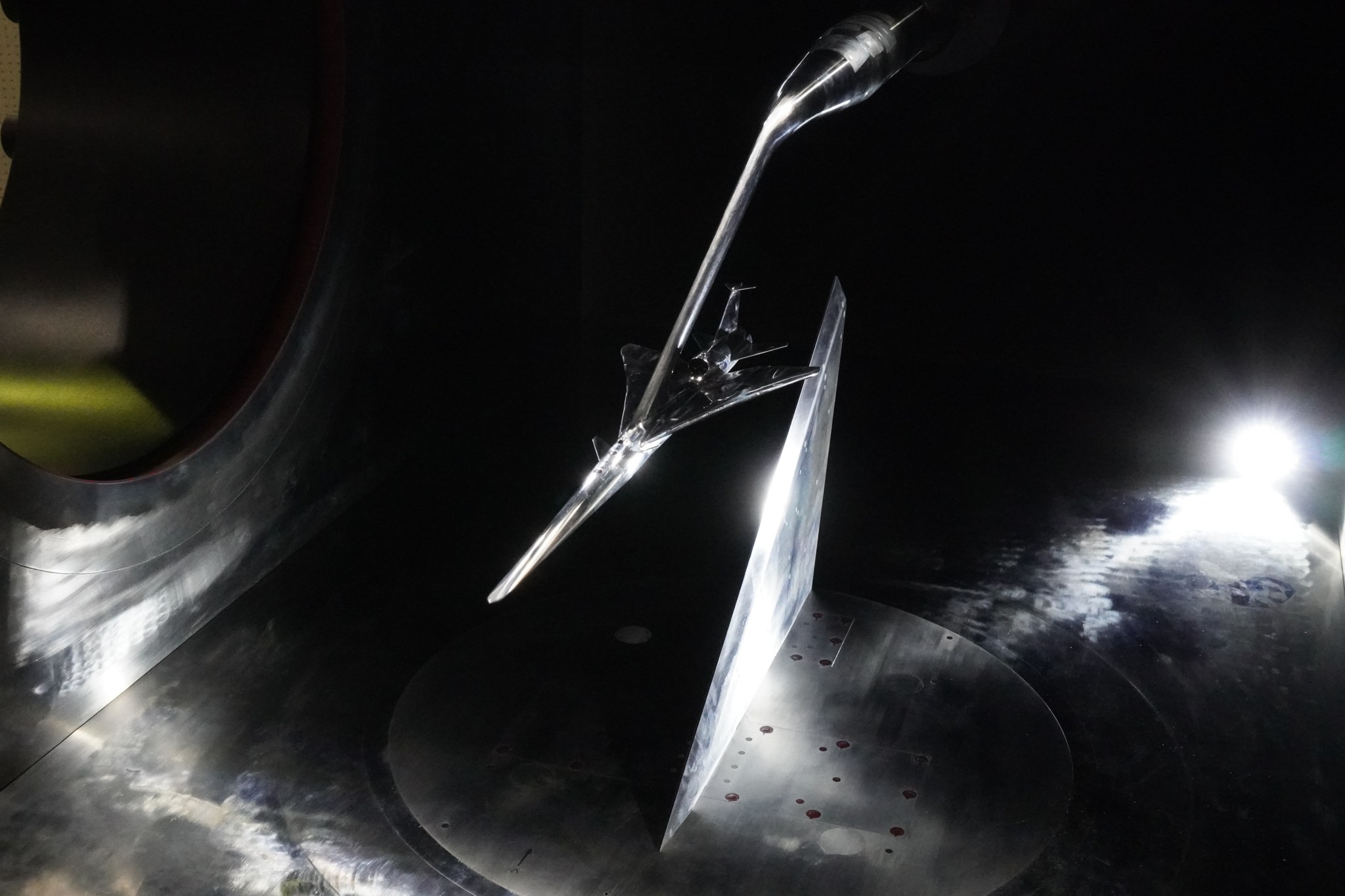
Preparations for Next Moonwalk Simulations Underway (and Underwater) Here you see the X-59 scaled model inside the JAXA supersonic wind tunnel during critical tests related to sound predictions.JAXAResearchers from NASA and the Japanese Aerospace Exploration Agency (JAXA) recently tested a scale model of the X-59 experimental aircraft in a supersonic wind tunnel located in Chofu, Japan, to assess the noise audible underneath the aircraft.
The test was an important milestone for NASA’s one-of-a-kind X-59, which is designed to fly faster than the speed of sound without causing a loud sonic boom.
When the X-59 flies, sound underneath it – a result of its pressure signature – will be a critical factor for what people hear on the ground.
The X-59 is 99.7 feet long, with a wingspan of 29.7 feet. The JAXA wind tunnel, on the other hand, is just over 3 feet long by 3 feet wide.
So, researchers used a model scaled to just 1.62% of the actual aircraft – about 19 inches nose-to-tail. They exposed it to conditions mimicking the X-plane’s planned supersonic cruising speed of Mach 1.4, or approximately 925 miles per hour.
The series of tests performed at JAXA allowed NASA researchers to gather critical experimental data to compare to their predictions derived through Computational Fluid Dynamics modeling, which include how air will flow around the aircraft.
This marked the third round of wind tunnel tests for the X-59 model, following a previous test at JAXA and at NASA’s Glenn Research Center in Ohio.
The data will help researchers understand the noise level that will be created by the shock waves the X-59 produces at supersonic speeds.
The shock waves from traditional supersonic aircraft typically merge together, producing a loud sonic boom. The X-59’s unique design works to keep shock waves from merging, will result in a quieter sonic thump.
The X-59 was built in Palmdale, California at contractor Lockheed Martin Skunk Works and is undergoing final ground tests en route to its historic first flight this year.
NASA’s Quesst mission aims to help change the future of quiet supersonic travel using the X-59. The experimental aircraft allow the Quesst team to gather public feedback on acceptable sound levels for quiet supersonic flight.
Through Quesst’s development of the X-59, NASA will deliver design tools and technology for quiet supersonic airliners that will achieve the high speeds desired by commercial operators without creating disturbance to people on the ground.
Facebook logo @NASA@NASAaero@NASAes @NASA@NASAaero@NASA_es Instagram logo @NASA@NASAaero@NASA_es Linkedin logo @NASAExplore More
6 min readMeet Mineral Mappers Flying NASA Tech Out West
Article 21 hours ago 3 min readNASA Aircraft, Sensor Technology, Aid in Texas Flood Recovery Efforts
Article 2 days ago 5 min readNASA Advances Pressure Sensitive Paint Research Capability
Article 1 week ago Keep ExploringDiscover More Topics From NASA
Missions
Humans In Space
Quesst Supersonic STEM Toolkit
Explore NASA’s History
Share
Details
Last Updated Jul 11, 2025 EditorLillian GipsonContactJim [email protected]Related Terms
AeronauticsAeronautics Research Mission DirectorateLow Boom Flight DemonstratorQuesst (X-59)Quesst: The VehicleSupersonic FlightHence then, the article about x 59 model tested in japanese supersonic wind tunnel was published today ( ) and is available on NASA ( Middle East ) The editorial team at PressBee has edited and verified it, and it may have been modified, fully republished, or quoted. You can read and follow the updates of this news or article from its original source.
Read More Details
Finally We wish PressBee provided you with enough information of ( X-59 Model Tested in Japanese Supersonic Wind Tunnel )


Also on site :
- Melania Trump’s Advisor Shades Tom Cruise’s ‘Digger’ After Box Office Bomb — Even Though ‘Melania’ Doc Also Flopped in Theaters
- Disney Cruise Line Offers First Look Inside Disney Believe with New Frozen Dining, Encanto Show, and Themed Lounges
- Tom DeLonge Was in the Crowd When 43,000 Fans Serenaded Him With His Own Song: ‘He Was Definitely in His Feels’