
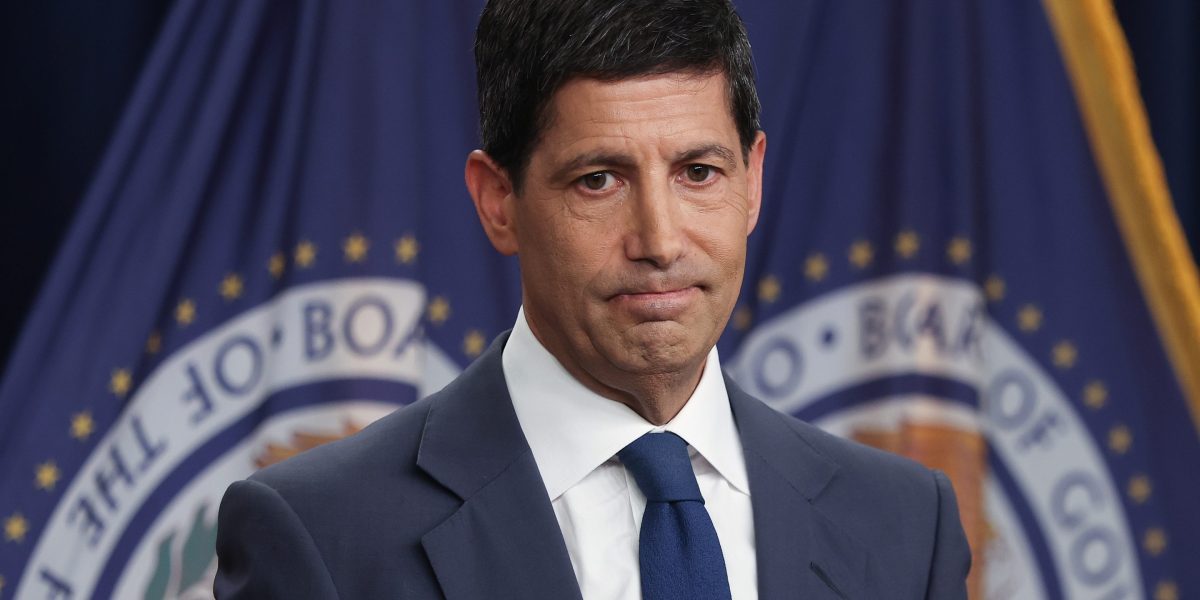
Good morning. How are you feeling about the U.S. economy? Federal Reserve Chairman Kevin Warsh said yesterday that the Fed wants to see an annual U.S. inflation rate of 2%. It’s now running at 3.5%. And yet the Fed left interest rates unchanged, a decision that prompted dissenting votes from three regional presidents who want to raise rates. “It was a real family fight,” he said. “That’s the way to get policy right.” The trajectory of that policy is unclear as Warsh, unlike his predecessor, isn’t one to give forward guidance. Some takeaways:
Rates are more likely to go up than down. Energy prices are high. Housing prices are high. Tariffs added about $1,000 in costs to the average U.S. household last year and could add almost as much this year. There’s a mix of trends in this economy. If lowering the inflation rate to 2% is a priority, though, raising rates is a time-tested way to do it. The question is why wait?
The markets are skittish. The Fed controls short-term rates. Long-term rates are determined by the bond market. And that’s certainly pricing for inflation. While Warsh left rates untouched, the 30-year bond yield rose to its highest level since 2007, and the 10-year Treasury yield rose more than 7 basis points. Over in the equity markets, the Dow fell 2.2%, or 1,100 points, its worst decline since April 2025. Other indices are down, too. Investors are worried about inflation.
Consumers are hurting. A pound of ground beef costs $6.82. The national debt is more than 100% of GDP, with the government owing the equivalent of $113,000 per person. The federal minimum wage is at a 70-year low. Inflation, much like interest, is compounding, and the cumulative effect of years of high inflation has taken a toll; it’s even curbing the desire to date. The biggest beneficiaries of lower rates are arguably not consumers but companies with big capital expenditure plans.
CapEx is getting expensive. Interest rates are pushing up borrowing costs, but they’re not the only reason. Rising raw material costs, geopolitical risk, compute, wages, and multiple other factors are impacting the bottom line, too. Invest in AI transformation but keep an eye on your customers and your costs.Contact CEO Daily via Diane Brady at [email protected]
This story was originally featured on Fortune.com
Hence then, the article about tariffs debt and a stubborn fed are squeezing consumers was published today ( ) and is available on Fortune ( Middle East ) The editorial team at PressBee has edited and verified it, and it may have been modified, fully republished, or quoted. You can read and follow the updates of this news or article from its original source.
Read More Details
Finally We wish PressBee provided you with enough information of ( Tariffs, debt, and a stubborn Fed are squeezing consumers )


Also on site :
- Investors thought they were buying pre-IPO OpenAI and SpaceX shares. Their cash went to strip clubs, Bloomingdale’s, and shopping on Amazon, SEC alleges
- Box Office: ‘Verity’ Aims for $35 Million Debut and Anne Hathaway’s Third No. 1 Movie of the Year, ‘Digger’ Could Bomb With $12 Million
- In 1983, Congress set aside $42 million to move a Pennsylvania town off a burning coal seam; Centralia went from 1,017 residents to five by 2020