
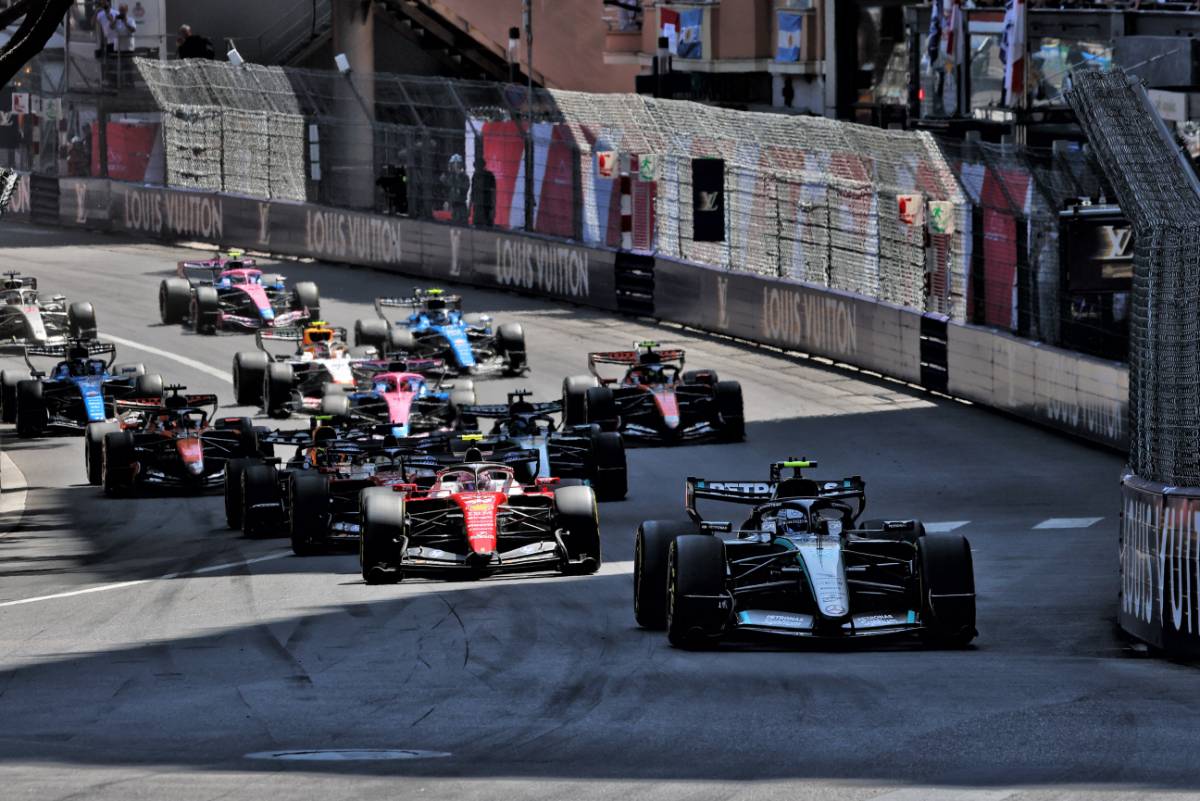
Formula 1 Management (FOM) has pledged to make “any improvements or refinements” required to its timing and measurement systems following a controversial sequence of pitlane speeding penalties at last weekend’s Monaco Grand Prix – a situation that has already reshaped the final classification and triggered scrutiny across the paddock.
The fallout intensified on Friday when FIA stewards reinstated Pierre Gasly’s podium after a successful right of review by Alpine.
The Frenchman had originally been demoted following two five-second penalties for alleged pitlane speeding, sanctions that were later found to have been based on flawed measurements.
Measurement discrepancy at the heart of the issue
The investigation revealed that a discrepancy in how pitlane speeds were calculated at Monaco’s uniquely configured pit entry led to multiple drivers being incorrectly deemed to have exceeded the 60 km/h limit.
Based on evidence supplied by FOM – the body responsible for Formula 1 timing – stewards determined that a small but significant change to the pit entry layout was not properly accounted for in the calculation model. A barrier had been repositioned compared to previous years, allowing drivers to take a shorter line into the pitlane.
That meant the system effectively used a slightly longer distance than cars were actually travelling — in some cases up to 77cm more across the first of nine timing loops — resulting in an overestimation of speed and incorrect penalty decisions for Gasly and several other drivers.
FOM acknowledges error and promises action
In the wake of the findings, Formula 1 Management acknowledged the issue and committed to procedural improvements moving forward, while emphasising that its systems had been applied consistently with established protocols.
“As part of the right of review process relating to Monaco, we have proactively assisted the FIA in gathering all the relevant information to help inform the steward’s assessments," FOM said in a statement provided to the media.
Read also: Gasly's Monaco podium reinstated as Alpine wins FIA review battle"We measured the relevant areas in the pitlane identically to the 2025 event and followed procedures in the usual way. However, the process has identified a measurement discrepancy. Like everyone in the sport we strive for the best results and, as always, any improvements or refinements that are identified as being required in light of this situation will be implemented.”
The admission places focus not only on the complexity of Monaco’s pitlane layout – one of the most technically challenging environments in Formula 1 – but also on the fine margins that can decide race outcomes in the modern era of automated enforcement.
Russell among those heavily impacted
While Gasly ultimately benefitted from the review process, the broader impact of the miscalculation extended well beyond Alpine.
Mercedes driver George Russell was among the most significantly affected. A five-second penalty initially issued for pitlane speeding triggered a chain of events that ultimately derailed his race.
A subsequent communication breakdown meant the penalty was not served correctly during his pitstop, forcing him to serve a drive-through penalty and dropping him out of the points entirely.
Not all teams, however, are pointing the finger at FOM or the FIA. Some within the paddock argue that responsibility still lies with competitors to manage risk conservatively.
Haas team principal Ayao Komatsu highlighted that the vast majority of the 22-car field navigated the race without incurring similar penalties, suggesting that sufficient margin should have been built in based on free practice data and team simulations.
The contrasting viewpoints underline a broader debate emerging from Monaco: whether the issue was primarily one of system accuracy or driver and team judgement in an unusually tight operating window.
For F1, the focus now shifts to restoring confidence in a timing infrastructure that is expected to deliver absolute precision — especially in a sport where milliseconds, and sometimes centimetres, can decide not just penalties, but podiums.
Keep up to date with all the F1 news via X and Facebook
FOM admits to Monaco pitlane timing issues – will improve systems F1i.com.
Hence then, the article about fom admits to monaco pitlane timing issues will improve systems was published today ( ) and is available on F1 News ( Middle East ) The editorial team at PressBee has edited and verified it, and it may have been modified, fully republished, or quoted. You can read and follow the updates of this news or article from its original source.
Read More Details
Finally We wish PressBee provided you with enough information of ( FOM admits to Monaco pitlane timing issues – will improve systems )


Also on site :
- Isabella Muir, a “Best of the Rest” Freestyler from the Class of 2027, Has Verbally Committed to Princeton
- Steve Cohen reveals Mets plan to ‘add certain voices’ to front office after ‘frustrating’ 2026 season
- Is Mauro Icardi joining Everton? Free January move ‘possible’ for Argentine striker – Football Whispers Index Score