
Ramona didn’t start as Ramona.
It was first known as Nuevo, a small rural settlement tucked into the foothills of northern San Diego County. At the time, the area was mostly ranch land, with cattle grazing across open range and scattered farms spread through the valleys. Life there was shaped less by town planning and more by water, terrain, and distance.
There wasn’t really a center to it. Homes and ranches were spread out, connected more by roads and land use than anything like a defined town layout.
That began to shift in the 1880s.
The novel
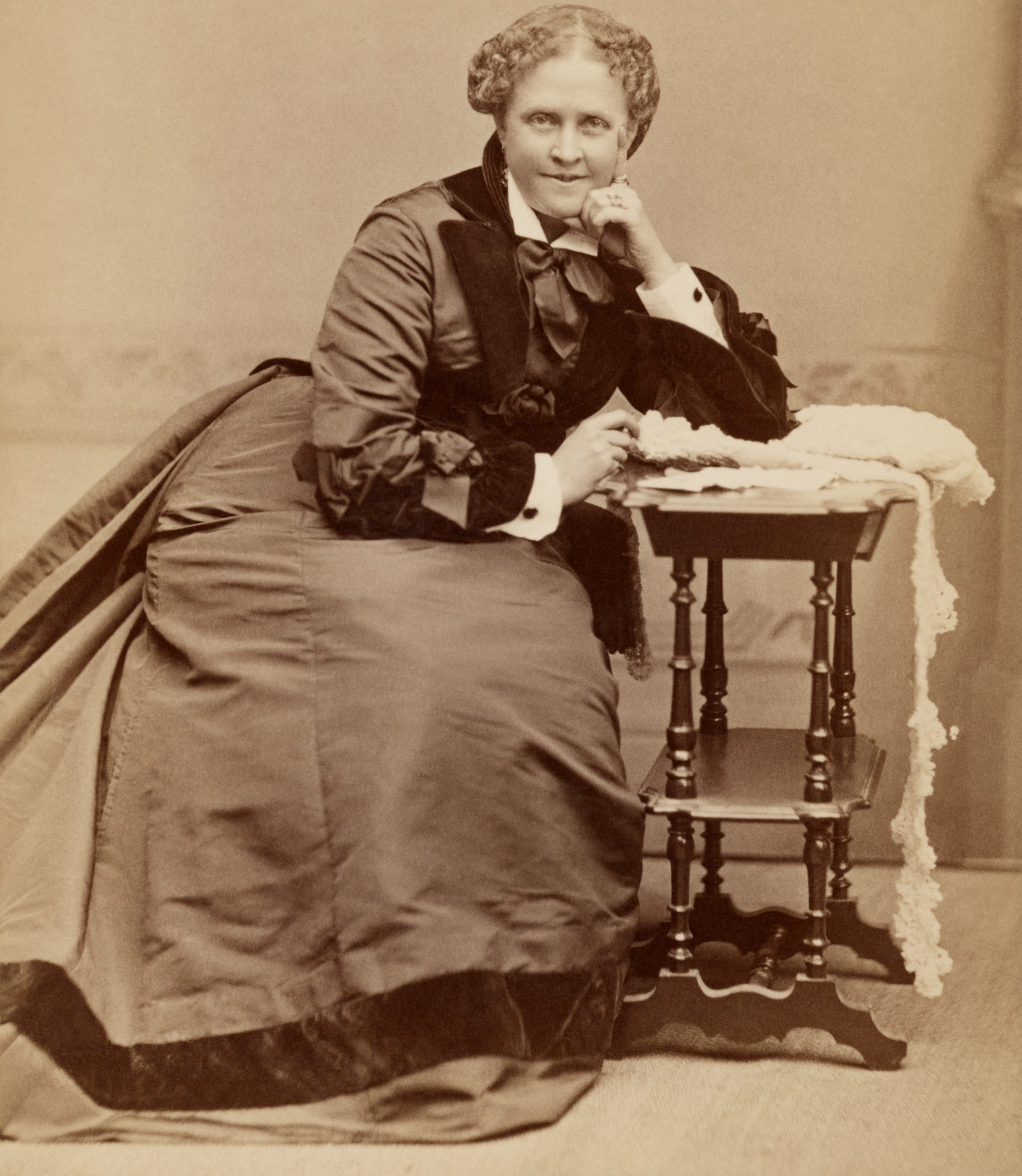
Ramona, first edition by Helen Hunt Jackson, 1884. (Public Domain)By then, Ramona, the 1884 novel by Helen Hunt Jackson, had gained widespread attention across the country.
The book was fictional, but it had a real influence; it shaped how California’s earlier Spanish and Mexican history was imagined and drew national attention to Southern California at a time when the region was being promoted for settlement.
That influence didn’t stay in literature. The name “Ramona” began appearing in place names, advertising, and local promotions across the region. It fit the way Southern California was being marketed at the time — names that sounded familiar, romantic, or already known.
Nuevo was renamed Ramona in 1886.
It was a cultural decision more than a geographic one. The name came from the popularity of the novel rather than anything specific in the landscape itself. Still, it stuck, and over time, it became tied to the place rather than the story.
Even after the name change, the way the community developed stayed tied to the land. Ranching remained central, along with dry farming suited to foothill conditions, and later citrus and other agriculture. The terrain and water supply continued to shape where people lived and worked.
A banner stretched across the front of the building reads, “WELCOME TO SANTA MARIA VALLEY / RAILROAD CONNECTION WITH SAN DIEGO.” To the left of the town hall is a building marked “GENERAL STORE.” Several men stand in front of the structures beside horses and carriages. The image is labeled “Ramona,” with a reverse inscription reading “Ramona / City Hall.” Creator: J. E. Slocum (1851–1916). (Photo and caption info courtesy of the San Diego History Center.)Unlike coastal cities built around ports or rail hubs, Ramona never formed around a dense town center in its early years. It spread out instead, with space between homes, farms, and roads. That pattern is still part of how the area feels today.
The literary origin of the name faded into the background over time. What remained was the working landscape — agriculture, ranching, and later residential growth layered onto the same geography.
On the silver screen
The story of Ramona also became part of early film history, inspiring multiple screen adaptations beginning in the silent era. One of the earliest was a 1910 silent short directed by D. W. Griffith and starring Mary Pickford.
A longer silent adaptation followed in 1916, directed by Donald Crisp, although much of that film is now considered lost, with only fragments believed to survive.
Lobby card for the American drama film Ramona (1916). (Public domain)Over the years, Jackson’s novel was adapted into five major film versions, including the well-known 1928 production starring Dolores del Río and Warner Baxter, which featured the popular song “Ramona.” A 1936 Technicolor adaptation later starred Loretta Young and Don Ameche.
The story was also adapted in Mexico in a later version, directed by Víctor Urruchúa.
Beyond film, Ramona inspired radio productions, a Mexican television series, and the long-running Ramona Pageant in Hemet. The story continued appearing in new adaptations well into the modern era, including television productions released decades later.
Today, Ramona is far removed from its literary origin. The name remains, but the place is defined by the land itself — the foothills, the agriculture, and the way settlement grew outward across it rather than into a single center.
The city’s welcome sign. (Photo courtesy of sandiegocounty.gov)Read more history stories here, and do you have a story to tell? Send an email to [email protected].
Sources:
Ramona by Helen Hunt Jackson.San Diego History Center.Library of Congress.Ramona and other early film adaptations of Ramona.Ramona Home Journal Historical Society (local historical reference) San Diego County historical and land/naming records (late 19th century settlement documentation).Other historical references.
Hence then, the article about ramona a town named for a novel shaped by the land was published today ( ) and is available on Times of San Diego ( Middle East ) The editorial team at PressBee has edited and verified it, and it may have been modified, fully republished, or quoted. You can read and follow the updates of this news or article from its original source.
Read More Details
Finally We wish PressBee provided you with enough information of ( Ramona: A town named for a novel, shaped by the land )


Also on site :
- Mandy Moore on Hilary Duff’s Musical Comeback and Playing an ‘Absolute Bitch’ in Dan Fogelman’s NFL Family Drama ‘The Land’: It’s ‘”Friday Night Lights” and “Succession” All Rolled Into One’
- ‘The Debut’ Explodes at Telluride With Julianne Moore’s Gonzo, Career-Best Turn, Thanks to Bananas, Unlit Cigarettes and a Faux Musical
- ‘The Debut’ Features Seven Original Songs, All Written by Jesse Eisenberg, and One Is Getting an Oscar Push (Exclusive)