
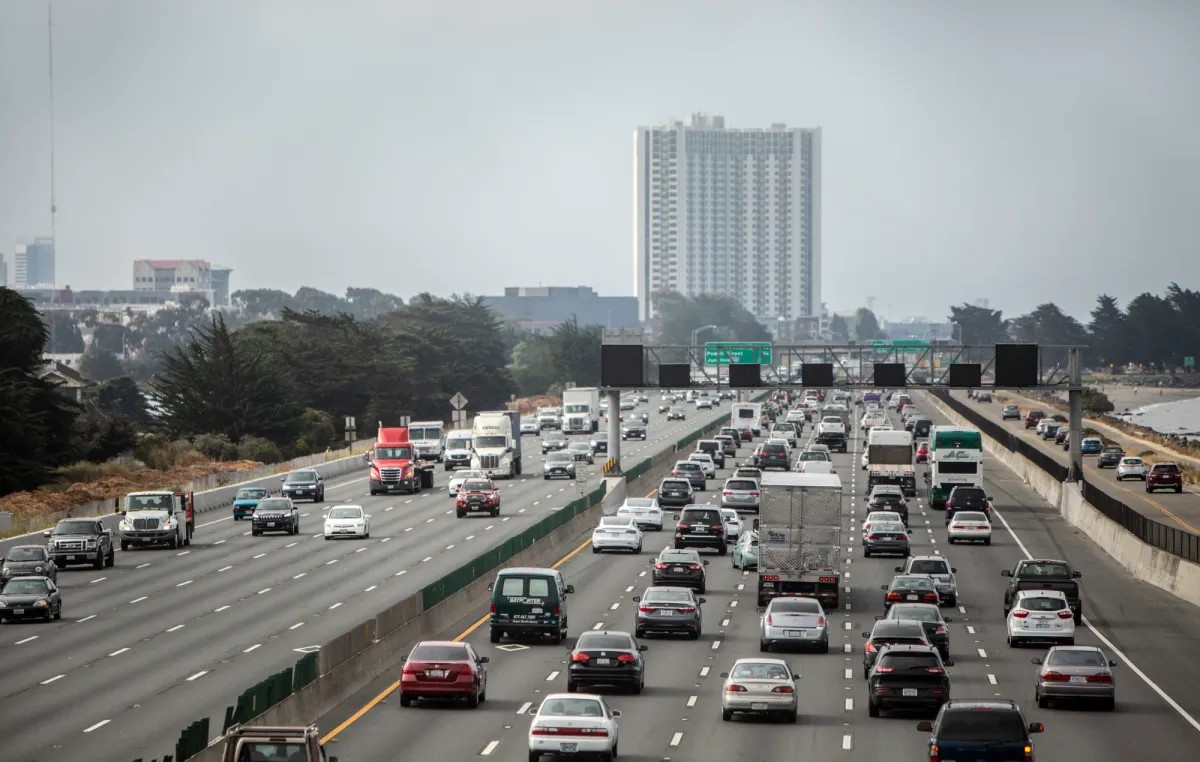
San Diego households faced the second-highest burden of combined transportation and housing costs among major cities in the U.S., according to the Department of Labor Statistics’ Consumer Expenditure Survey released in December.
Residents of America’s Finest City spent 55.5% of their average annual expenditures on housing and transportation costs between 2023 and 2024, according to the study. That trailed only Miami, where households directed 58% of their annual spending to just those two expenditures.
That total includes a mortgage or rent payment, but also insurance, utilities, maintenance, gas, public transit and related expenses.
The federal study only examined the 22 largest metro areas in the U.S., excluding regions like San Jose that are smaller, yet still expensive.
Housing represented 37.4% of San Diegans’ average annual expenditures, while another 18.1% went to transportation.
San Diego’s high housing costs are well known. A San Diego Foundation economic report published in October 2023 found 17% of households spent more than half of their income on housing.
Other California cities like Los Angeles and San Francisco also put more than the national average towards housing. Both metro areas finished below San Diego, but still among the country’s 10 most expensive.
“You can see that cities with good public transportation have lower transportation cost: Generally DC, Seattle, San Francisco, New York, Philadelphia, Boston,” said Bill Fulton, urban development researcher at UC San Diego.
Transportation costs in car-centric cities are heavily affected by the cost of gas, which is significantly higher in California than elsewhere. In spite of California’s expensive gas, San Diego trailed only two car-centric Texas cities in the share of annual expenditures directed to transportation: Dallas-Fort Worth (18.6%) and Houston (19.8%).
“That’s not especially surprising, just because in Texas, people drive much longer distances, say to work, than they do in California,” Fulton said.
But people in Texas typically spend less on housing than San Diegans.
San Diego really only has one thing going for it in the expenditure survey: food spending here is below average. Often a household’s third largest expense, food costs accounted for 11.2% of San Diegans’ annual spending. The national average was 12.9%. Only people in Phoenix spent a smaller portion on food among the major metros.
To Fulton, the stunning part of the study was that housing didn’t represent a larger share of San Deigns’ overall spending.
“San Diego has relatively high income, so relatively high expenditures,” he said. “So as a percentage of how much you spent, it’s almost surprising that it’s not higher.”The total amount spent by the average household in these 22 metros varied greatly. Miamians on average spent only $64,027 annually, compared to San Francisco where annual household expenditures were $117,578. Meanwhile, the average San Diego annual expenditure in 2023-2024 was $108,694. The national average annual household expenditure was $77,907 in the same two-year period.
Hence then, the article about san diego has the second highest combined housing and transportation costs among major u s metros was published today ( ) and is available on Times of San Diego ( Middle East ) The editorial team at PressBee has edited and verified it, and it may have been modified, fully republished, or quoted. You can read and follow the updates of this news or article from its original source.
Read More Details
Finally We wish PressBee provided you with enough information of ( San Diego has the second-highest combined housing and transportation costs among major U.S. metros )


Also on site :
- El Partido Republicano quiere hablar de delincuencia, inmigración y temas sobre personas transgénero. Los votantes no
- Kate Upton’s Husband Justin Verlander Gets Emotional On-Field Surprise From Daughter, 7, at Last Game
- Born 71 Years Ago Today in Tennessee, the Rockabilly Rebel and Daughter of June Carter Cash Who Proved Country Music Had Room for Punk Rock Attitude