
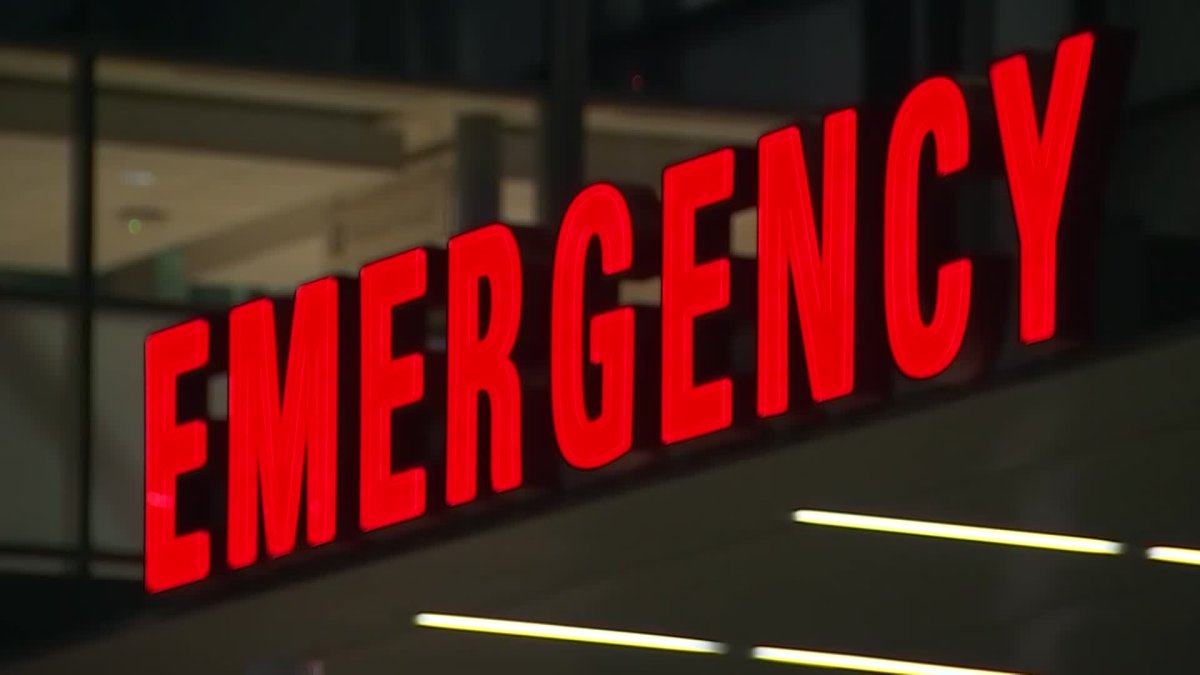
With winter virus season officially underway, many might be experiencing a variety of symptoms, but when should you seek care from your doctor and how do you know if it’s time to go to the emergency room?
It’s a question many might ask themselves, but doctors say some symptoms shouldn’t be ignored.
The University of Chicago Medicine group said the decision for where to seek care “depends a lot on what you need care for and how sick or injured you are.”
Dr. Malek Akhal, family medicine and immediate care specialist for Loyola Medicine, reported ER visits could mean longer wait times and higher expenses compared to a provider’s office or immediate care center, so it’s important to know the best place for your needs.
While doctors and medical experts will always urge a patient to err on the side of caution, here’s some advice that can help you navigate:
Emergency Room
According to UChicago, patients should “always call 911 or go the emergency room right away for serious health condition that may be life or limb threatening.”
Dr. Jonathan Martin, an infectious disease physician with Cook County Health, notes there are some symptoms that require immediate care.
“Indications to go to the emergency room would be just if you just can’t keep down fluids, if you have fevers that have lasted three to five days, if you’re having problems breathing – things like that would require a quick evaluation in the emergency room,” Martin told NBC Chicago.
Still, Martin notes that “if you feel like you’re really sick and you need attention immediately, I would never tell you to avoid the ED.”
Akhal also said those considering calling 911 should do so right away or head to their nearest emergency department.
UChicago reported common conditions treated in an emergency room include:
A change in mental status (such as confusion) Loss of consciousness (if you pass out) Multiple injuries or a possible broken bone in areas like the ribs, skull, face or pelvis Seizures Serious burns and cuts (cuts that won’t stop bleeding or wounds that won’t close) Severe allergic reaction (swelling lips, difficulty swallowing or breathing) Signs of a heart attack, including chest pain, difficulty breathing, left arm or left jaw pain and sudden weakness or dizziness Stroke symptoms, including slurred speech or sudden numbness/weakness in any area of your body, facial droop, loss of balance or vision Trouble breathing Vaginal bleeding during pregnancy“If your instinct is telling you it’s serious, trust it and go to the nearest emergency department,” Akhal wrote.
Urgent or Immediate Care
For those with medical conditions that require immediate care but are not life-threatening, urgent care clinics are an option.
These can be good for both addressing more urgent needs than a doctor’s office and also for addressing needs when your doctor is not immediately available.
“If your condition is something you would normally address with your regular doctor (but they are unavailable right away), an immediate care center may be the right choice for you,” Akhal wrote.
Such clinics commonly treat conditions like:
Testing and treatment for COVID, flu, and RSV Sprains and strains Strep throat Upset stomach STDs/UTIs Ear pain and infection Rashes and insect bites Stitches and care for cuts and burnsThere are many other reasons someone might visit an urgent care clinic, however. See a full list here.
Primary Doctor
According to Martin, in the absence of the concerning symptoms noted for emergency room care, “if you’re just not getting better, that would be reasons to talk to your doctor.”
“Or if you have other health conditions that would make you a candidate to get these antivirals,” he said, noting certain antiviral treatments for viruses like influenza or COVID.
Beyond annual check ups, primary care visits are often used for:
General concerns Chronic conditions, such as diabetes, allergies and high blood pressure Non-emergency questions Prescription refills Preventive screenings Regular physicals Sore throat Vaccinations Video visits Weight changesHence then, the article about er urgent care or doctor how to choose medical help during winter virus season was published today ( ) and is available on NBC Chicago ( Middle East ) The editorial team at PressBee has edited and verified it, and it may have been modified, fully republished, or quoted. You can read and follow the updates of this news or article from its original source.
Read More Details
Finally We wish PressBee provided you with enough information of ( ER, urgent care, or doctor? How to choose medical help during winter virus season )


Also on site :
- Pentagon to livestream firing-squad execution of US Army psychiatrist who killed 13 in 2009 attack: Inside the scrutinized plan
- Former UFC Star Shot 3 Times in Deadly Congo Ambush While on Mission for Blackwater Founder’s Security Firm
- Léa Seydoux & Marie Kreutzer On The “Earthquake” At The Heart Of ‘Gentle Monster’ — Contenders London