
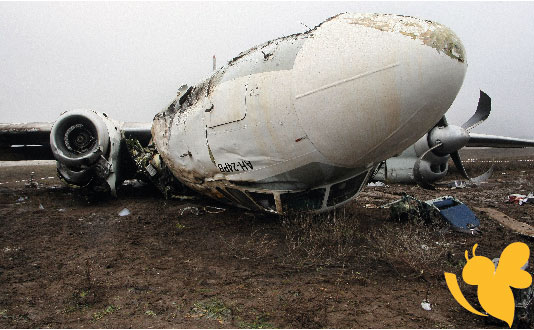
The recent crash of a Russian AN-24 passenger plane in the Far East has raised significant concerns regarding aviation safety and emergency response protocols. The aircraft, carrying approximately 50 individuals, lost contact with air traffic controllers shortly before it was scheduled to land at Tynda airport. The wreckage was later located nine miles from the airport, engulfed in flames, indicating a catastrophic failure. This tragic incident highlights the vulnerabilities associated with aging aircraft and the potential risks they pose to passengers and crew alike.
The Angara airlines An-24 plane, carrying 42 passengers and six crew, had left Blagoveshchensk close to the Chinese border and vanished from radar screens as it approached Tynda airport, officials said.
Amur's regional governor Vasily Orlov said "all necessary resources" had been deployed to find the plane. Five children were among those on board, he added.
Shortly afterwards Russia's emergencies ministry said a Russian civil aviation helicopter had spotted burning fuselage from the plane. No-one is thought to have survived, reports say.
Parts of the burning wreckage were discovered 9 miles (15km) from Tynda airport on a mountainside, authorities said.
Russian media published footage showing thick smoke rising above a dense forest at what was thought to be the crash site.
The AN-24 aircraft involved in this disaster was nearly half a century old, raising questions about maintenance standards and regulatory oversight within Russia's aviation industry. As noted by various reports, all aboard are presumed dead following the crash . The presence of children among the deceased further amplifies the tragedy of this event. Investigators have begun examining potential causes for the accident as part of their efforts to prevent similar occurrences in the future. Understanding factors such as mechanical failures or adverse weather conditions will be crucial in determining accountability and improving safety measures.
This incident is not just a somber reminder of individual loss but also serves as a critical juncture for assessing current practices in aviation management. As countries grapple with aging fleets and increasing demands for air travel, it becomes imperative to prioritize rigorous safety inspections and modernized training for flight crews . Ultimately, ensuring passenger safety must remain paramount amidst evolving challenges faced by airlines worldwide.
Read more
Tesla Shares Fall After Earnings Miss, Musk Warns of Challenging Quarters Ahead Apple Unveils $20/Month AppleCare One Plan Covering Three DevicesSara H


Also on site :
- Shoulder Bags Are Everywhere Right Now—& This Style Is at the Top of Our Fall Wishlist
- Eugenie & Meghan’s Drama Takes a Shocking Turn as the Princess ‘Takes a Stand’ for ‘Whose Side She’s On’
- Charles Reportedly Refusing to ‘Protect’ Andrew Amid Report the Ex-Prince Is ‘Gleeful’ Over His Brother’s ‘Suffering’—He’s ‘Very Bitter’ the King ‘Treats Him Like Scum’