
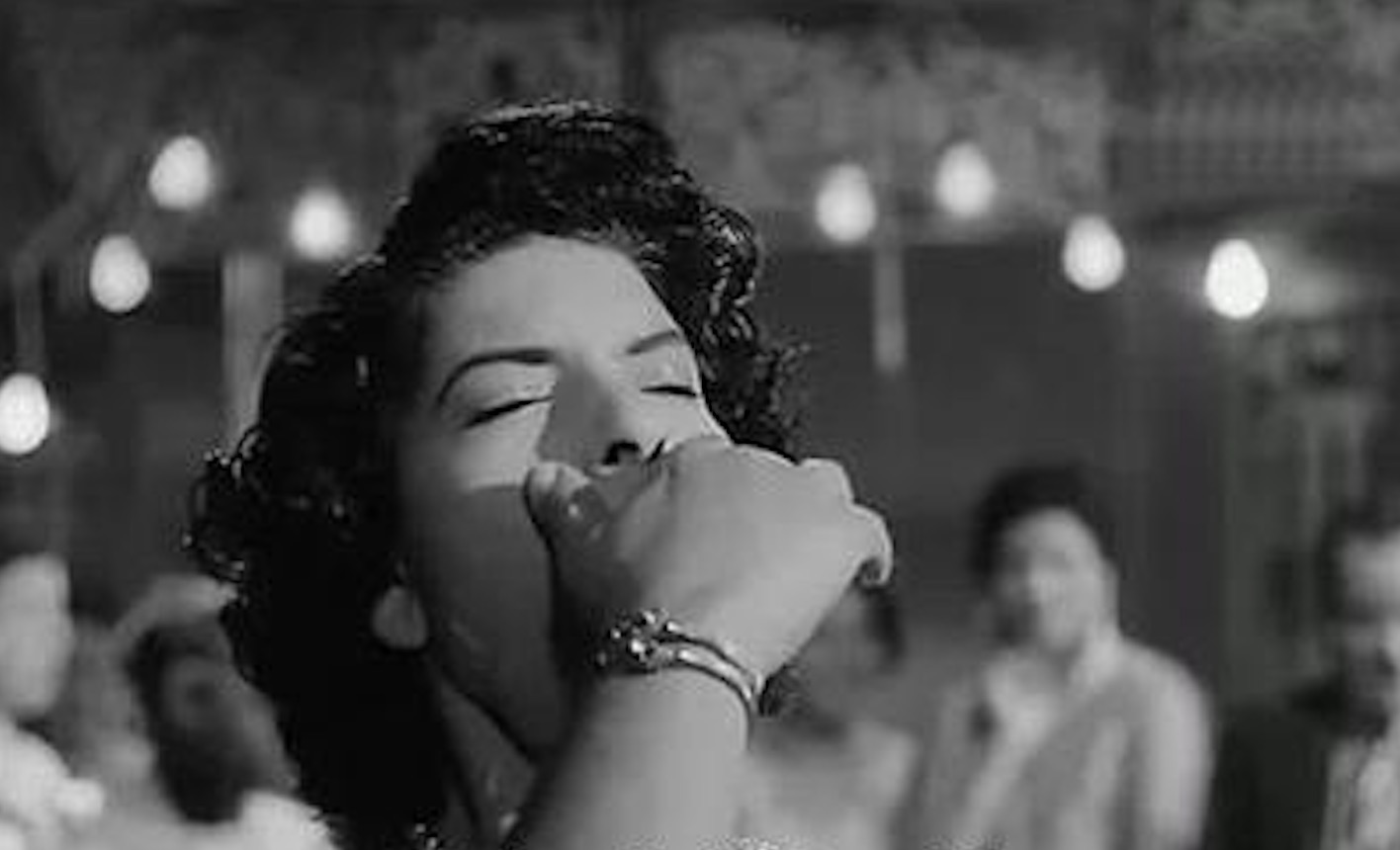
There are sounds that shape us before we understand them. They echo through our souls, without us realizing it, without us controlling it. The Zaghrouta is one of them. But for all the right reasons. Whether I realized it, or just refused to admit it, a Zaghrouta was never just a sound. There was always something captivating about it. The high-pitched, synchronized sound patterns born from women’s tongues dancing lightly in their mouths, that vibrate through generations and generations, and pierce through noise like a blade of joy. In ancient Egypt, women would ululate to summon blessings, rain, and sustenance from the gods. A sacred plea that has survived conquest, colonization, and modernity. Through it all, women kept calling out, sometimes in circles of laughter, sometimes in grief. Always to mark a passage: a crossing from one state of being to another. What once rose as a call to the heavens now bursts forth in our streets and homes, carrying the same joy, hope, and resilience. I’d hear it often growing up; from women in glittering, colored dresses, red lipstick and gold jewelry, waiting outside a hair salon to celebrate…
This content is for members only. Visit the site and log in/register to read.The Sound of Joy and Belonging: a Woman’s Zaghrouta first appeared on Egyptian Streets.
Hence then, the article about the sound of joy and belonging a woman s zaghrouta was published today ( ) and is available on Egyptian Streets ( Egypt ) The editorial team at PressBee has edited and verified it, and it may have been modified, fully republished, or quoted. You can read and follow the updates of this news or article from its original source.
Read More Details
Finally We wish PressBee provided you with enough information of ( The Sound of Joy and Belonging: a Woman’s Zaghrouta )


Also on site :
- Trump's 'economic D-Day' on Iran puts China in the crosshairs
- 1978 Barry Manilow Murder Mystery Smash, Written in 15 Minutes, Had a Dark Twist Millions of Listeners Missed
- 1969 Neil Diamond Classic, Written in Less Than One Hour, Remains Pop Culture’s Favorite ‘Reason to Smile’