
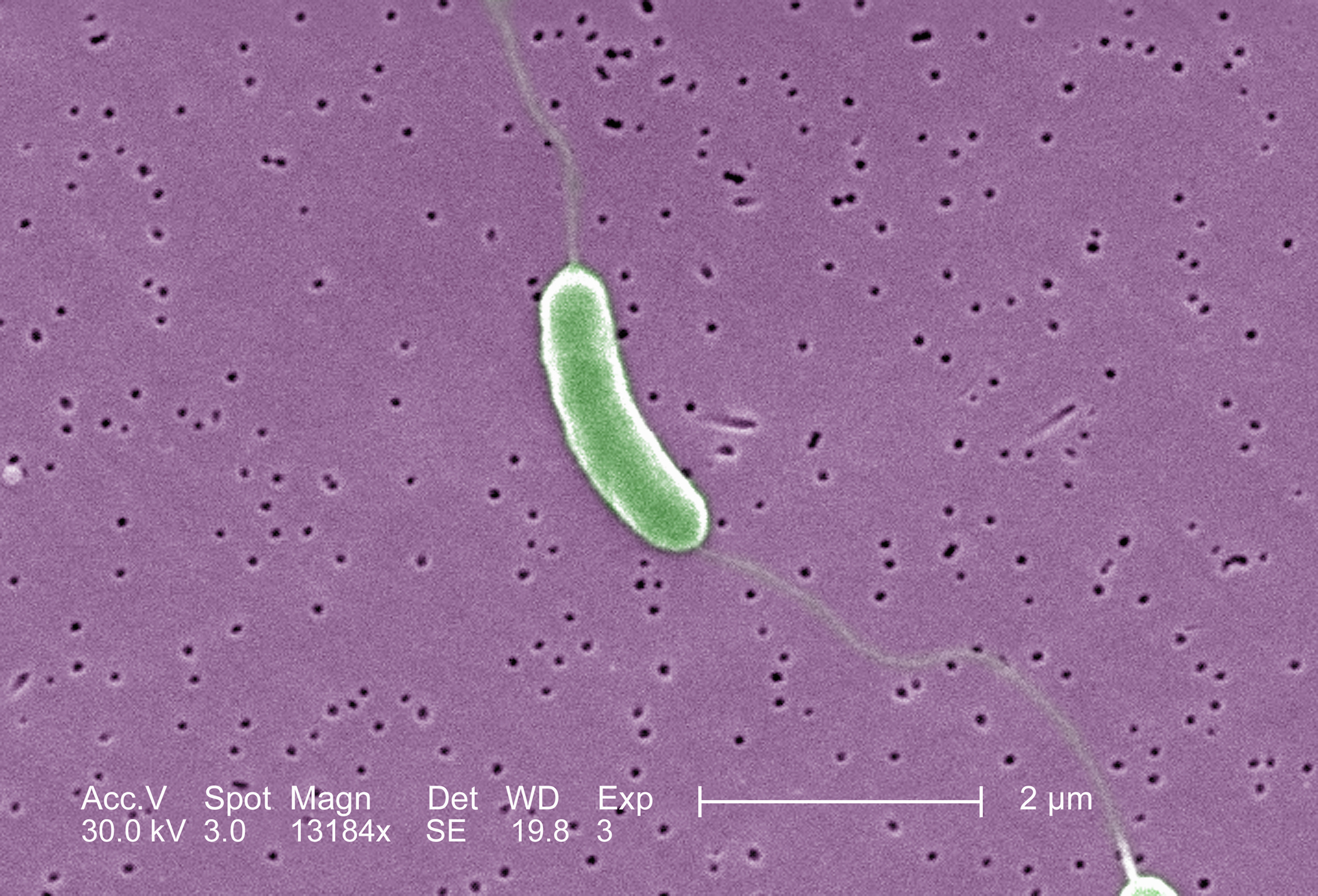
A Florida resident has died from an infection of Vibrio vulnificus, a type of “flesh-eating” bacteria that thrives in warm coastal waters. It is the first reported death linked to the bacteria this year in the U.S. Florida has the highest rate of Vibrio vulnificus infections in the country.
Twelve Vibrio vulnificus infections have been reported in Florida this year, and the one death occurred in Palm Beach County, according to data from the state’s health department. The person was in their 80s, NBC 6 reported. Florida’s health department told TIME that it is investigating the case, but wouldn’t provide additional details, including how the person became ill.
Vibrio vulnificus is part of the Vibrio genus of bacteria, a group of water-loving pathogens that includes the bug that causes cholera. Vibrio vulnificus infections are much rarer than cases of cholera globally, but they’re much more likely to be fatal. About 1 in 5 people who are infected with Vibrio vulnificus die, sometimes within a day or two of becoming sick, according to the U.S. Centers for Disease Control and Prevention (CDC).
Vibrio vulnificus can sicken people in different ways. Most commonly, the pathogen is consumed through raw or undercooked shellfish, particularly oysters, says Valerie Harwood, a professor of biology at the University of South Florida who studies the bacteria. “Oysters prefer the same salinity of water as Vibrio vulnificus,” she says, “and since oysters are filter feeders, they pull water and microorganisms into their [digestive] tract, and the bacteria get concentrated in their tissue.”
Vibrio vulnificus can also infect open wounds; for example, if someone with an open cut waded into waters infested with the bacteria, they could contract the disease. Once in the body, the “flesh-eating” pathogen can travel under the skin along fascia, the connective tissue that surrounds every part of the body, and cause tissues to degrade and die, or necrotize. This type of infection is known as necrotizing fasciitis, and in severe cases, can result in amputation or death.
The infected person will often get an “extremely hot and painful wound, but you might not be able to see it initially because it’s under the skin,” Harwood says.
Ingesting Vibrio vulnificus can cause diarrhea, vomiting, stomach cramps, and other symptoms of food poisoning. In people with weakened immune systems, the infection could spread to the bloodstream and be life-threatening.
Wound infections tend to be more lethal, Harwood says. People who are elderly or have certain underlying medical conditions, including liver disease, diabetes, or cancer, are at greater risk of severe disease, the CDC says.
“If you go in the water and 8 or 24 hours later, your leg hurts and feels hot, go to the doctor right away,” Harwood says.
How to prevent a Vibrio vulnificus infection
To avoid dangerous exposure to Vibrio vulnificus, Harwood recommends that people with open wounds on their body, including fresh tattoos and new piercings, stay away from warm salt and brackish coastal waters, such as the Gulf of Mexico, until the skin is healed. Harwood says she personally would even avoid wading in such waters a day or two after shaving her legs in case of micro-tears on the skin. “I’m not even a germophobe or anything,” she says. “I just don’t want to risk any exposure.”
Harwood also offers advice that shellfish-lovers may have a hard time swallowing: “Don’t eat raw oysters in the summer,” she says.
Vibrio vulnificus flourishes when waters are warm. (The bacteria also love the warmth of the human body.) They can also live in colder waters, but their populations shrink under those conditions, Harwood says. Eating raw oysters during cooler months or oysters that have been harvested in colder waters, such as on the western coast of the U.S., could be safer, Harwood says. She also recommends that people wear gloves when shucking oysters to avoid getting cut and risk being exposed to the bacteria.
“Washing oysters won’t help,” she adds, though cooking shellfish kills the pathogen. The Florida health department recommends that people boil shucked oysters for at least three minutes, or fry them in oil for at least 10 minutes at 375°F.
Vibrio vulnificus infections are rare globally. In the U.S., about 150 to 200 cases of the disease are reported every year, according to CDC data—most of them in Florida and other Gulf Coast states. Climate change, however, is expected to increase the prevalence of Vibrio vulnificus in the U.S. and around the world.
In 50 years or so, Vibrio vulnificus infections are projected to be present in every Eastern U.S. state because of global warming, according to a 2023 study in Nature. Similarly, a paper published in March 2026 found that cases of Vibrio vulnificus infection are rising in Northern Europe “alongside warming coastal waters.”
Vibrio vulnificus “used to be seen as a very rare infection, but it is becoming a huge problem now, especially with the heatwaves in the summertime, and the growing popularity of year-round sea bathing,” Yaovi M. Gildas Hounmanou, an infectious-disease expert and co-author of the 2026 study, told Gavi, the global vaccine organization, in a May interview.
There is currently no Vibrio vulnificus vaccine for people, though researchers are exploring potential options. People who suffer serious infections are treated with antibiotics. However, says Harwood, “if Vibrio vulnificus gets into your bloodstream and causes sepsis, sometimes there is nothing doctors can do.”
Hence then, the article about what to know about the flesh eating bacteria that killed someone in florida was published today ( ) and is available on Time ( Middle East ) The editorial team at PressBee has edited and verified it, and it may have been modified, fully republished, or quoted. You can read and follow the updates of this news or article from its original source.
Read More Details
Finally We wish PressBee provided you with enough information of ( What to Know About the ‘Flesh-Eating’ Bacteria That Killed Someone in Florida )


Also on site :
- What channel is Kosovo v Republic of Ireland Nations League match on? UK TV coverage, live stream and kick-off time
- Nifty breakout from 23,000-23,600 range to set market trend: Sachin Gupta
- Rush-Henrietta Senior High School went into lockdown due to fight, superintendent says