
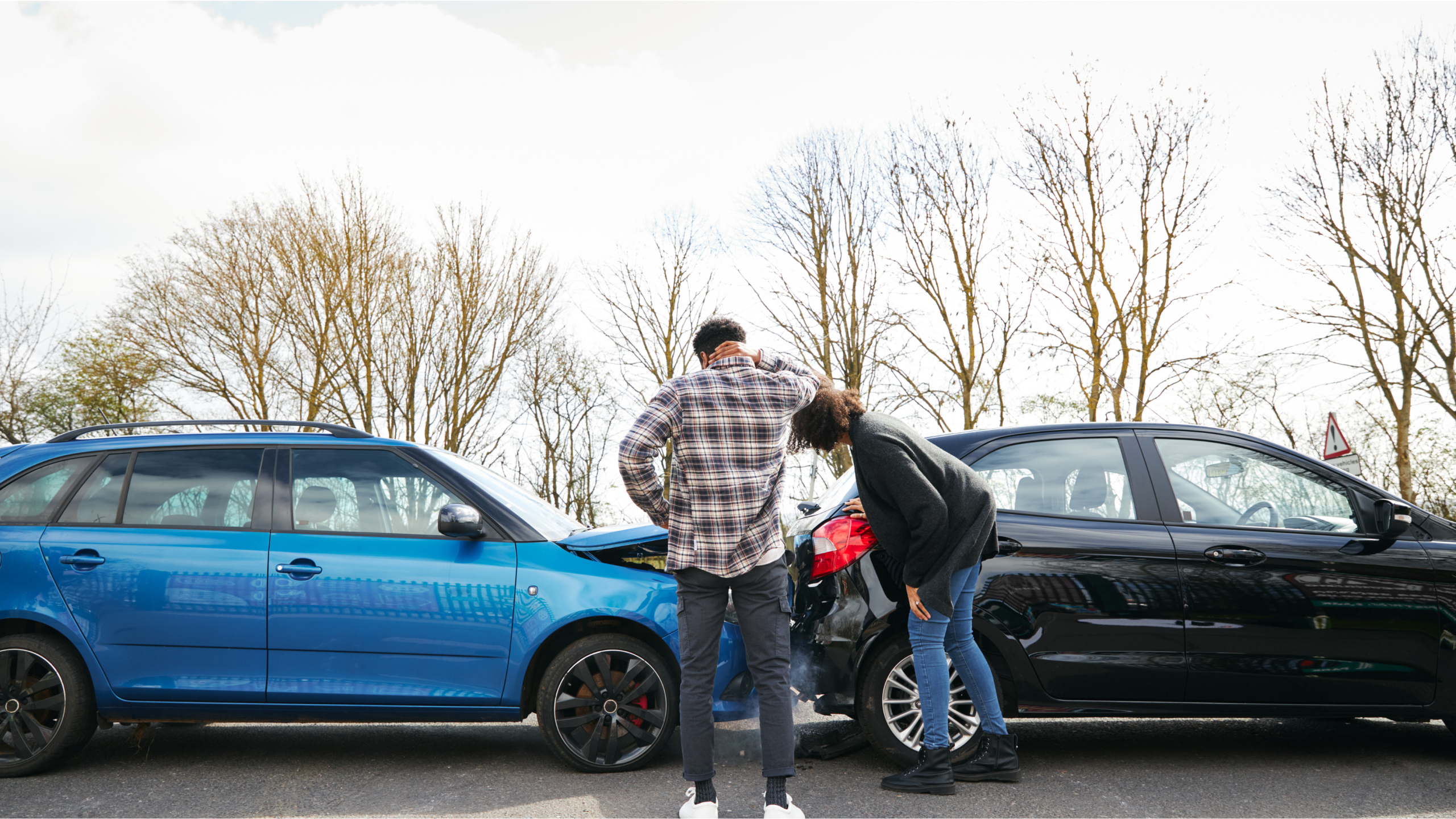
Driving in San Diego offers some of the most beautiful views in the country, from the coastline along the 101 to the expansive bridges connecting our communities.
But Southern California’s busy freeways, including Interstate 8, I-805 and Route 94, also carry significant dangers. For many residents, car crashes are an unfortunate but common reality.
When a collision occurs, the immediate noise and shock can make it difficult to think clearly. Yet the moments and days following a crash are critical. Beyond the initial impact, crashes can trigger a chain of medical, financial and logistical challenges that can disrupt your life for months.
Understanding what to expect in the aftermath of a crash is essential in protecting your health and your rights.
Community impact
While we often view collisions as isolated events between two or more drivers, their impact ripples outward, affecting the entire San Diego community. Anyone who has been stuck in gridlock on I-15 during rush hour knows that a single crash can bring traffic to a standstill for miles. This congestion creates secondary hazards as drivers become impatient or distracted by the scene.
Moreover, many wrecks place immense strain on our emergency and healthcare systems. Police officers, firefighters and emergency responders must allocate more time to crash scenes and to the care of victims. Emergency departments are also put under stress.
Understanding this broader context highlights why safety and preparedness are civic responsibilities as much as personal ones.
Physical and emotional aftermath
The minutes following a crash are, understandably, a chaotic period, and it is common for those involved to feel “fine” immediately after. That’s because adrenaline is flowing through their systems. This biological reaction often leads to a false sense of security.
Many San Diego residents make the mistake of declining medical attention at the scene, only to wake up days later with severe stiffness, headaches or internal pain. Whiplash, soft tissue injuries and even concussions may not present obvious symptoms until the shock wears off.
Beyond the physical toll, the psychological impact caused by a crash can be immediate. Confusion about what steps to take, whom to call, what information to exchange and whether to move your vehicle adds to the immediate stress.
This mental fog is a normal reaction to trauma, but it can complicate the process of gathering accurate information and ensuring your well-being is documented from the start.
Challenges of recovery
Once the dust has settled after a crash, the rebuilding process can begin. This is usually not a linear course; it can be challenging and disrupt your daily routine.
Medical follow-ups: Recovery can take more than a single emergency room visit. Depending on the severity of injuries suffered in a crash, you may face weeks or months of follow-up appointments, chiropractic care or physical therapy. This creates a significant scheduling burden, forcing you to balance health needs with other responsibilities.
Disruption to work, family life: One of the hardest parts of recovery is time away from work, which can potentially cause financial stress. In some cases, parents may struggle to lift or drive a child to school, forcing them to hire extra help or rely on family members. This can place additional stress on families.
Navigating insurance claims
While your attention is focused on physical healing, another battle is likely just beginning — this time on the administrative level: coping with insurance companies.
The theory behind insurance is that it serves as a safety net. But in reality, it can be a maze of paperwork, recorded statements and administrative runaround.
The claims process: Filing a claim is time-consuming. You must provide police reports, medical records, proof of lost wages and evidence of property damage. If any of this paperwork is incomplete or filed incorrectly, it can lead to significant delays in receiving compensation.
Disputes and delays: Insurers are trained to settle cases for as little as possible. It is not uncommon for disputes to arise about what happened and who is at fault. You might also find that a settlement does not cover the full amount of your medical expenses or repairs made to your car. Insurance companies often take their time in these processes, and you might be forced to pay for services upfront.
When recovery is complex
There are times when the aftermath of a car crash is too difficult to manage alone. Worsening injuries, disputed liability or prolonged insurance delays can turn what initially seemed manageable into a more complex situation.
In cases where crash-related issues extend beyond routine paperwork and follow-ups, firms like Jacoby & Meyers can help San Diego residents navigate insurance challenges and administrative obstacles so recovery efforts stay focused and organized.
Moving forward with confidence
Driving in San Diego demands extreme alertness, and even then, you can still end up in a crash. If you do, the road to healing can come with its own challenges, but you don’t need to heal in the dark.
Understanding the post-crash process and knowing when additional support is needed can give San Diego residents greater clarity and confidence as they move forward.
Your well-being and rights are of primary importance. Being properly informed is the first step to ensuring a one-time car collision does not lead to a permanent disability.
For more information about Times of San Diego’s advertising and sponsorship policies, click here.
Hence then, the article about what every san diego driver needs to know after a car crash was published today ( ) and is available on Times of San Diego ( Middle East ) The editorial team at PressBee has edited and verified it, and it may have been modified, fully republished, or quoted. You can read and follow the updates of this news or article from its original source.
Read More Details
Finally We wish PressBee provided you with enough information of ( What every San Diego driver needs to know after a car crash )


Also on site :
- Iran offers US deal to reopen Hormuz within a week
- Coalition intercepts two Houthi ballistic missiles, three drones
- Brendan Penny is ‘So Angry’ After Pal Robert Buckley’s Movie Premiere, But For the Funniest Reason (Exclusive)