
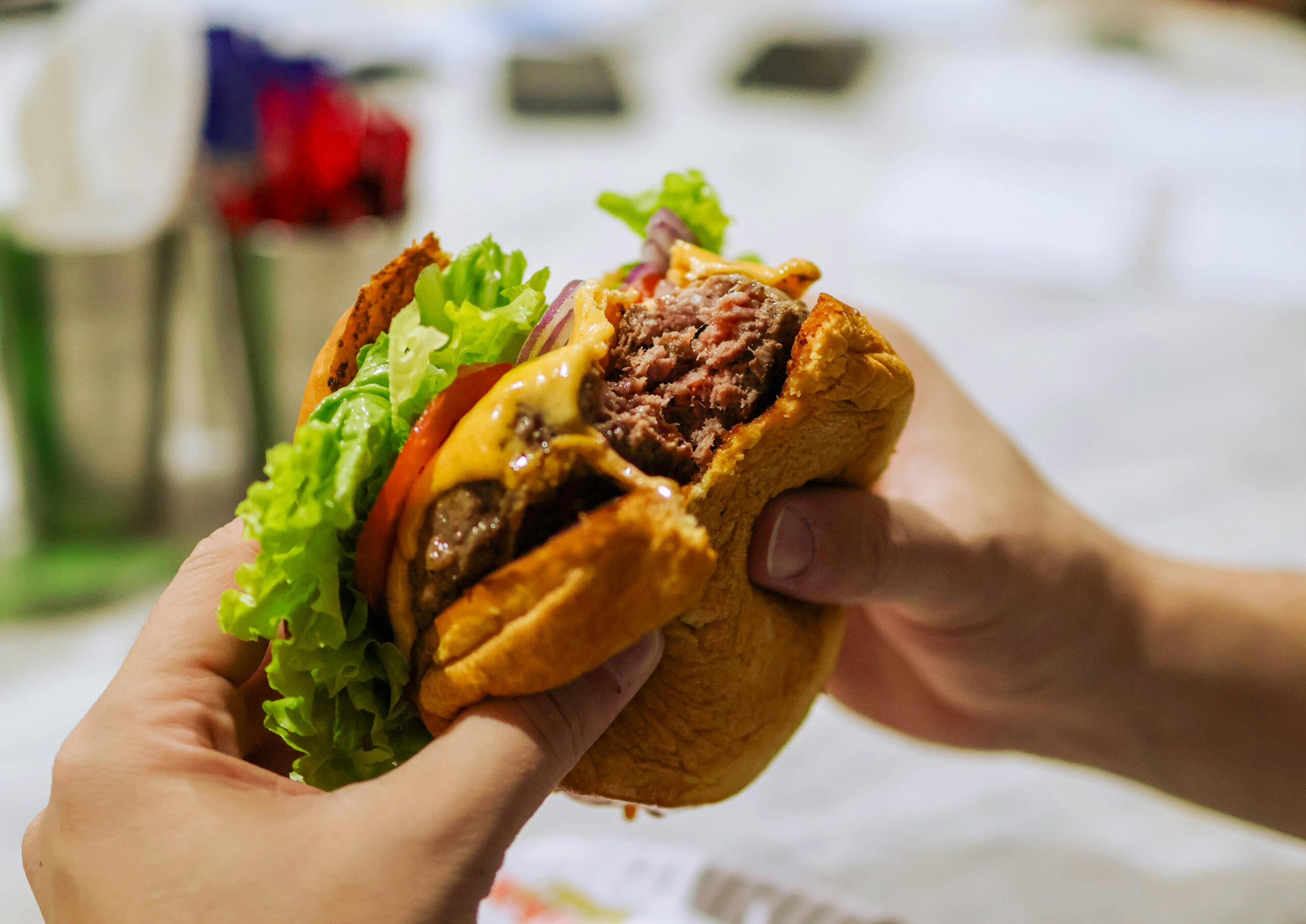
The end of January is almost here, which might lead people to check in on how they are keeping up on New Years resolutions. For those who resolved to eat less fast food in 2026, a recent UNC study provides extra reason to change your diet: it may help your brain’s memory functions.
While diet changes have long been credited for long-term health benefits, most of the time it is not about brain health. But Taylor Landry – who was working as a postdoctoral researcher in the Department of Pharmacology at UNC – pitched Juan Song of the department’s Song Lab on taking a further look at the connection.
“The brain has this intricate system in which these cell types can acutely and robustly respond to very small nutrient cues,” he says. “So, whether it be circulating blood-glucose after a meal or insulin levels after a meal. And what I had noticed was the machinery in these brain regions that made it possible to sense things like food and glucose seemed to also be expressed in the memory centers of the brain, like the hippocampus.”
Landry, whose background is in studying the brain’s control over metabolism, says he knew about past studies connecting those suffering from diabetes and obesity having an increased risk of dementia. He then hypothesized whether metabolic state – or how one’s brain tells one’s body to create energy based off food – regulates cognitive function and how it contributes to disfunction seen in people with metabolic disorders.
The result was a study that lasted several years and was published in the “Neuron” journal last November. Landry, who is credited as the first author, and others in the Song Lab ran tests with mice by feeding the animals a high-fat diet – which is comparable to humans’ junk food with saturated fat. The team began to see a specific group of brain cells called CCK neurons become overly active as the brain failed to receive glucose.
“A critical aspect of memory formation is the synchronizing of neuron activity to learning and memory,” Landry describes. “During learning-memory tasks…it’s all about synchronizing your neuron populations to that specific situation. The hyper-activity of those CCK neurons is preventing you from forming those memories and recalling those memories. And we also found a critical enzyme within those neurons that was driving this.
“You have your high-fat diet, decreased glucose levels in the brain, and we found that was elevating an enzyme called PKM2, which ultimately was responsible for the elevated CCK neuron activity.”
And, Landry says, the results were clear. Within just four days of eating this high-fat diet, the aptitude for memory is impacted.
“Their performance is impaired,” the researcher says. “Obviously, we’re not talking about someone suffering from dementia after a couple of days. But you can definitely see a reduction in cognitive performance after just a couple of days of this level of diet.”
Landry adds that the effects are reversible. After returning the mice to a healthy diet – as well as acute fasting followed by a re-feed of the meal – the ability to remember and function returned.
Because the research is on the newer side, Landry does caution people to not make drastic assumptions about diet connections to cognitive function. But he did say it reaffirms the risk of eating a diet rich in saturated fat, even for a few consecutive days and indicates that behavioral, dietary choices do play a role in preventing any worsening of cognitive function.
Landry also says the results are compelling enough to where he and his company, TransChromix, are already talking with chemists to develop new drugs. There is a chance the findings could lay groundwork to create a product that people could take either after eating a high-fat diet to reduce its cognitive effects – or even as a preventative measure for major memory issues.
“Ultimately, can we target these pharmaceutically or genetically, and prevent cognitive disfunction long-term,” Landry asked. “That’s what’s exciting about the paper long-term. I think we identified some really exciting mechanisms that – when targeted – could prevent memory impairments in long-term disorders such as diabetes, obesity and, in the early stages, even something like Alzheimer’s disease.”
Chapelboro.com does not charge subscription fees, and you can directly support our efforts in local journalism here. Want more of what you see on Chapelboro? Let us bring free local news and community information to you by signing up for our newsletter.
UNC Study Advances Understanding of High-Fat Foods’ Impact on Memory, Brain Function Chapelboro.com.
Hence then, the article about unc study advances understanding of high fat foods impact on memory brain function was published today ( ) and is available on chapelboro ( Middle East ) The editorial team at PressBee has edited and verified it, and it may have been modified, fully republished, or quoted. You can read and follow the updates of this news or article from its original source.
Read More Details
Finally We wish PressBee provided you with enough information of ( UNC Study Advances Understanding of High-Fat Foods’ Impact on Memory, Brain Function )


Also on site :
- Steven R. McQueen Sends Direct Message in First Social Media Selfie in 5 Years After Rare Public Return Sparks Buzz Over His Changed Appearance
- Why ‘You Can See Everything Everything’ Could Make Oscars History as First Doc Nominated for Best Picture
- What were Trump operatives doing for pro-Russian politician Dodik in Bosnia?