
3 min read
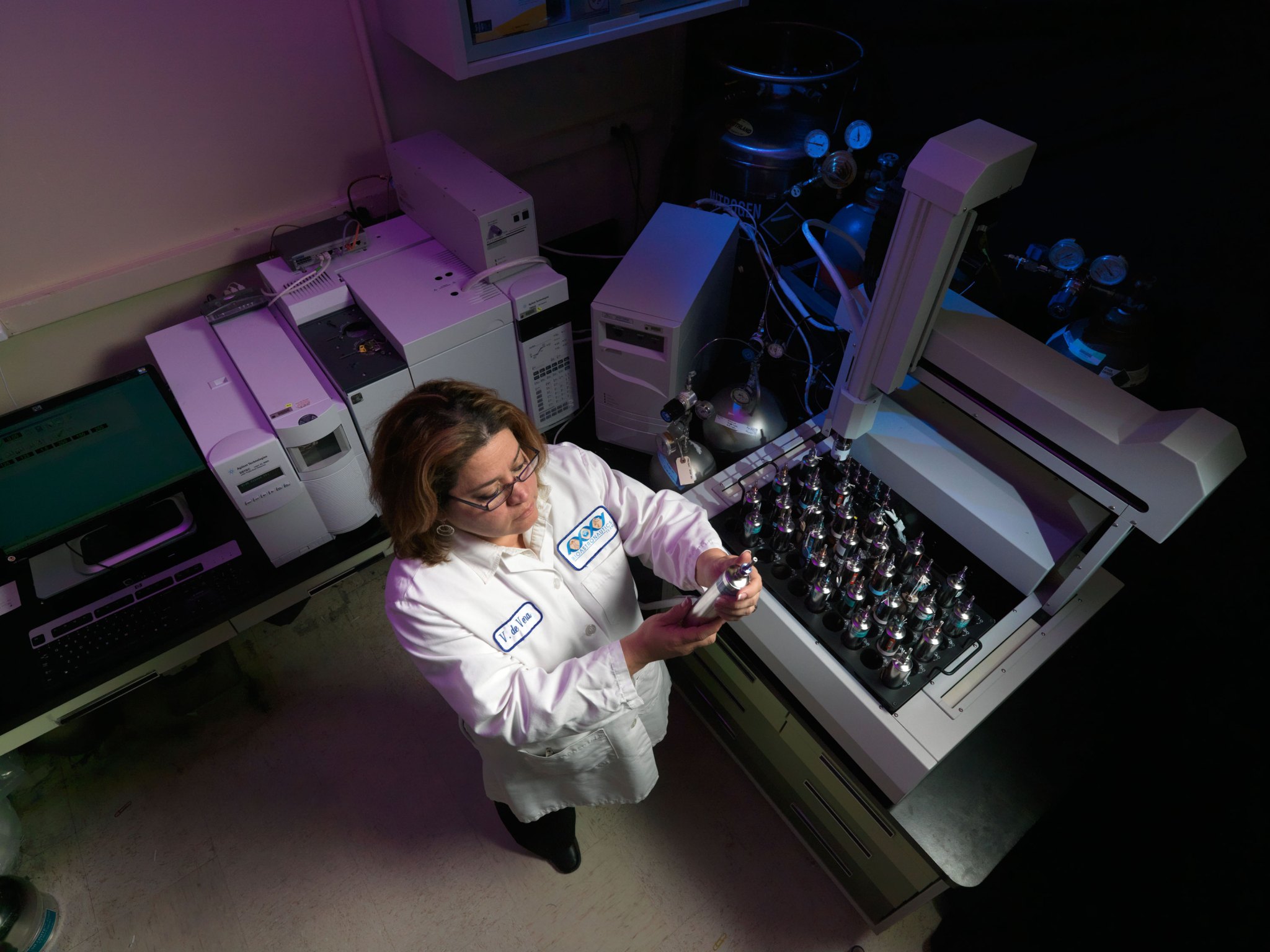
Preparations for Next Moonwalk Simulations Underway (and Underwater) A space toxicologist at NASA JSC.NASAHazardous Materials Summary Tables (HMSTs) are a compilation of the chemical, biological, and flammability hazards of materials on a given flight or mission. HMSTs are required by Safety for all Programs, including but not limited to ISS, Commercial Crew Program (CCP), Multi Purpose Crew Vehicle (MPCV), and Gateway. Johnson Space Center (JSC) toxicologists evaluate the toxic hazard level of all liquids, gases, particles, or gels flown on or to any manned U.S. spacecraft. The biosafety hazard level and flammability levels are assigned by JSC microbiologists and materials experts and are documented in an HMST and in a computerized in-flight version of the HMST called the HazMat (Hazardous Materials) database.
How To Obtain Toxicological Hazard Assessments
“Requirements for Submission of Data Needed for Toxicological Assessment of Chemical and Biologicals to be Flown on Manned Spacecraft”
JSC 27472 (PDF, 766KB) defines the terms “chemicals” and “biological materials” as applied to items being flown on or to any U.S. spacecraft. It explains who must submit information to the JSC toxicologists concerning the materials to be flown and specifies what information is needed. It provides schedules, formats, and contact information. Additional US requirements for biological materials can be found on the Biosafety Review Board (BRB) page. Additional US requirements for environmental control and life support (ECLS) assessments can be found in JSC 66869 (PDF, 698KB).Data Submission
For all flights to ISS and all Artemis requests (Orion, Gateway, Human Lander System (HLS)), please submit data via the electronic hazardous materials summary table (eHMST) tool. If you do not have access to this tool, please submit a NAMS request for access to JSC – CMC External Tools. Please reference eHMST training for more information
NOTE: For experimental payloads/hardware planned for launch on a Russian vehicle, stowed and/or operated on the Russian Segment of ISS, or planned for return or disposal on a Russian vehicle, we strongly encourage payload providers to submit biological and chemical data to the Russian Institute for Biomedical Problems ([email protected] OR [email protected]).
Hazard Assessments
Toxicological hazard assessments are conducted according to JSC 26895 – Guidelines for Assessing the Toxic Hazard of Spacecraft Chemicals and Test Materials. The resulting Toxicity Hazard Level (THL) in combination with the BioSafety Level (BSL) and Flammability Hazard Level (FHL) form the basis for the combined Hazard Response Level (HRL) used for labeling and operational response per flight rule B20-16.
Toxicology and Environmental ChemistryShare
Details
Last Updated Dec 03, 2025 EditorRobert E. LewisLocationJohnson Space CenterRelated Terms
Human Health and PerformanceExplore More
5 min readToxicology and Environmental Chemistry
Article 3 years ago 3 min readExposure Guidelines (SMACs and SWEGs)
Article 3 years ago 4 min readToxicology Analysis of Spacecraft Air
Article 1 hour ago Keep ExploringDiscover Related Topics
Missions
Humans in Space
Climate Change
Solar System
Hence then, the article about hazardous material summary tables hmsts was published today ( ) and is available on NASA ( Middle East ) The editorial team at PressBee has edited and verified it, and it may have been modified, fully republished, or quoted. You can read and follow the updates of this news or article from its original source.
Read More Details
Finally We wish PressBee provided you with enough information of ( Hazardous Material Summary Tables (HMSTs) )


Also on site :
- The Russia-Africa summit 2026: What you need to know about building a multipolar world without the West
- Record-Setting Falcon 9 Launch from Vandenberg SFB Scheduled for Late Monday into Early Tuesday
- Ballon d’Or 2026 award ceremony LIVE: Winners, reactions and latest news