
Among Indian-born CEOs of Fortune 500, most came to the U.S. through higher education. Examples include Microsoft’s Satya Nadella, Alphabet’s Sundar Pichai, Arvind Krishna of IBM, Raj Subramaniam of FedEx, Shantanu Narayen of Adobe, Nikesh Arora of Palo Alto Networks and Vivek Sankaran of Albertsons. More Indians come to the U.S. on student visas than any other nationality—with 422,335 foreign students from India in the U.S. last year, vs. 329,541 foreign students from China. The number of Americans studying in India is a fraction of that, almost too few to measure.
The importance of India to Fortune 500 companies will only increase in the coming years—the country boasts a young and well-educated population, anticipated GDP growth north of 6% every year for the next decade, and structural reforms that will boost the business climate in the world’s largest democracy.
It’s equally important that policymakers understand what’s going on. The rising importance of China over my lifetime spurred growth in scholarship—from experts at think tanks in both countries to the Schwarzman Scholars program at Beijing’s Tsinghua University that Blackstone CEO Steve Schwarzman launched a decade ago as an analog to Oxford’s Rhodes Scholarship.
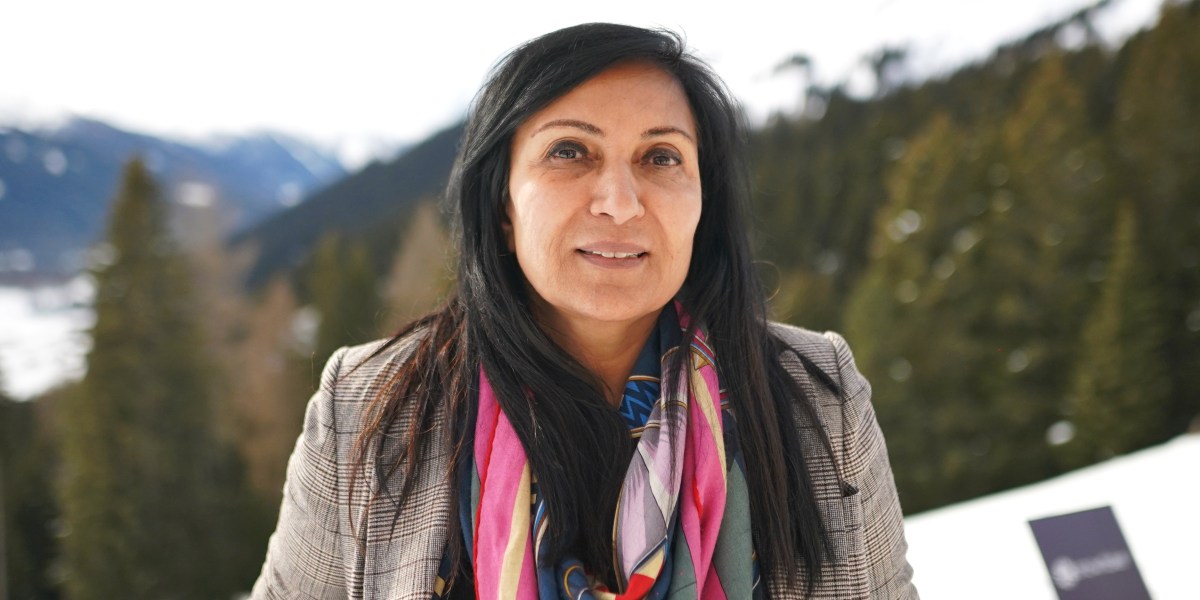
Now, venture capitalist and philanthropist Asha Jadeja is investing in a similar academic infrastructure between the U.S. and India. (She and her late husband Rajeev Motwani of Stanford were founding stakeholders in Google.) I spoke to Jadeja this past weekend at a dinner marking the establishment of the Motwani Jadeja Institute for American Studies at OP Jindal Global University. She has also funded programs at Stanford’s Hoover Institution, U.C. San Diego, the Hudson Institute, the Center for a New American Security and, soon, Columbia University.
“When policymakers want information in making decisions, they pick up the phone and call Georgetown or Stanford. Similarly, if someone in Delhi wants to know how to deal with America on mineral rights or human rights, they need someone to call who has a serious understanding of those issues and access to data,” she told Fortune.
With Washington increasingly viewing China as not just a competitor but as an adversary, India is taking on a larger geopolitical importance. The next generation of CEOs and policymakers will need context and relationships created through education, familiarity and a shared understanding nurtured by deep scholarship.Contact CEO Daily via Diane Brady at [email protected]
This story was originally featured on Fortune.com
Hence then, the article about with china now an adversary this early google investor wants the u s to bet on india instead was published today ( ) and is available on Fortune ( Middle East ) The editorial team at PressBee has edited and verified it, and it may have been modified, fully republished, or quoted. You can read and follow the updates of this news or article from its original source.
Read More Details
Finally We wish PressBee provided you with enough information of ( With China now an adversary, this early Google investor wants the U.S. to bet on India instead )


Also on site :
- Disney Teams Up With Golden Goose for the Ultimate Theme Park Sneaker Collab
- Sylvester Stallone Calls Himself an ‘Idiot’ After Years Performing His Own Stunts and Countless Surgeries
- ‘Chicago Fire’ Sets Up Trouble for Stellaride as Severide Feels the Heat — And Probies Continue to Cause Problems