
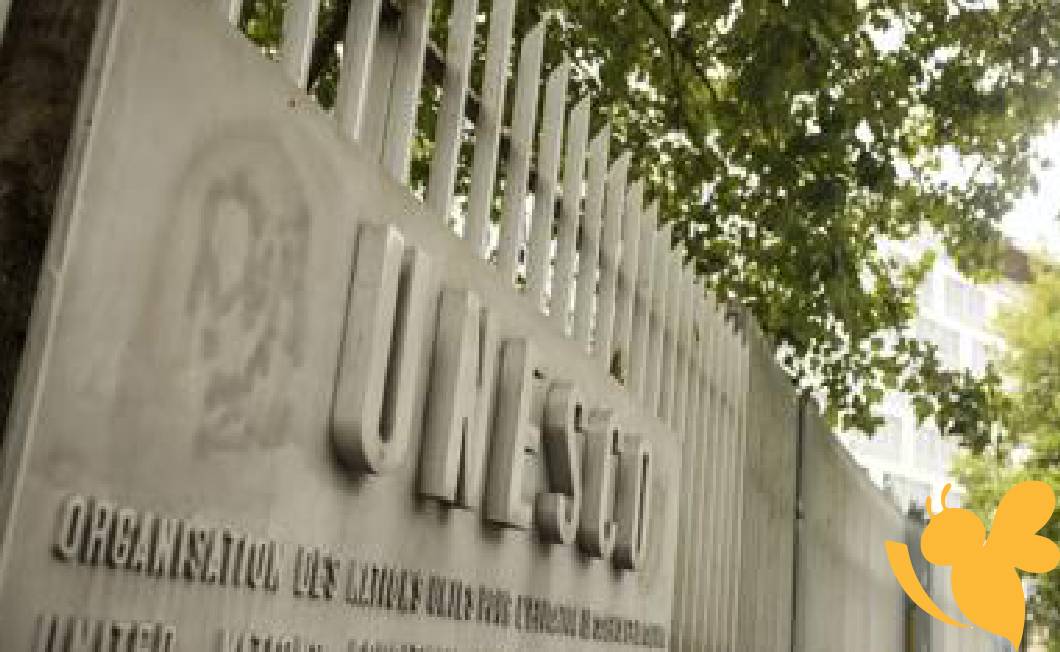
The decision by the United States to withdraw from the United Nations Educational, Scientific and Cultural Organization (UNESCO) has reignited discussions surrounding international diplomacy and national interests. The withdrawal, set to take effect on December 31, 2026, is attributed to U.S. objections regarding UNESCO's focus on "divisive social and cultural causes," as well as its promotion of the UN's Sustainable Development Goals and the admission of Palestine as a member state . This move reflects a broader skepticism towards multilateral organizations perceived to conflict with American values or interests.
The move is the latest step in the Trump administration's efforts to cut ties with international bodies, after removing the US from the World Health Organization and Paris Climate Agreement, as well as cutting funding for foreign relief efforts.
Unesco has 194 member states around the world, and is best known for listing world heritage sites. The US' decision will take effect from December 2026.
The state department said Unesco's "globalist, ideological agenda for international development" was "at odds with our America First foreign policy".
It also described the inclusion of the Palestinians in Unesco in 2011, as "highly problematic, contrary to US policy, and contributed to the proliferation of anti-Israel rhetoric within the organization".
The United States cut funding under the Obama administration after UNESCO voted to include Palestine as a full member in 2011, and then pulled out completely during Mr. Trump’s first term.
But in 2023, the Biden administration announced it would rejoin and start gradually paying back more than $600 million in arrears. U.S. officials argued then that leaving an empty chair at UNESCO had created a vacuum that competing powers, most notably China, were stepping into.
UNESCO runs educational programs and promotes sex education, literacy, clean water and equality for women. It also helps to set standards on issues like ocean protection and the ethics of artificial intelligence, and to protect cultural heritage and education efforts in conflict zones like Ukraine.
A state department spokesperson at the time said former President Barack Obama's hand was forced due to a US law that prohibited the transfer of funds after Unesco granted the Palestinian Authority full membership.
The Paris-based UN agency was set up in November 1945 - shortly after World War Two - to promote peace and security through global co-operation in education, arts, sciences and culture.
This decision comes at a time when global cooperation in cultural and educational initiatives is increasingly vital. The Biden administration had rejoined UNESCO only two years prior, indicating an initial commitment to multilateralism . However, the current administration's reversal underscores deepening political divides within U.S. foreign policy perspectives regarding international organizations and their perceived agendas. Such shifts raise questions about the future of American influence in global cultural dialogues and initiatives aimed at fostering understanding between nations.
Read more
Johnson Cuts House Agenda Short, Avoids Epstein Vote Japan Stocks Tread Water as Election Outcome Sparks Fiscal, Trade Worries
Sara H


Also on site :
- California Pizza Kitchen plans 1,000 vending machines stocking menu favorites across America
- Hayden Panettiere’s Mom Trying to ‘Control Her Estate’ as No Will Is Found After She Was Accused of ‘Cruelty’ While Her Daughter Was Alive
- Walmart makes major change to how you can pay in stores