
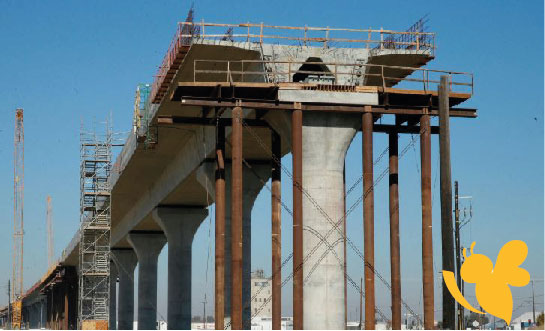
The decision by former President Donald Trump to eliminate $4 billion in federal funding for California's high-speed rail initiative represents a significant shift in transportation policy and reflects broader ideological divides regarding infrastructure investment. The California high-speed rail project, conceived as a transformative endeavor to connect major urban centers and reduce traffic congestion, has faced numerous challenges since its inception. Critics of the initiative have often cited cost overruns and delays as justifications for defunding, while proponents argue that it is essential for sustainable transportation and economic growth.
The department said there was no viable path forward for California’s high-speed rail project and it was considering potentially clawing back additional funding related to the project.
The Federal Railroad Administration issued a 315-page report last month citing missed deadlines, budget shortfalls and questionable ridership projections.
One key issue cited is that California had not identified $7bn in additional funding needed to build an initial 171-mile segment between Merced and Bakersfield, California.
The California high-speed rail system is a planned two-phase 800-mile (1,287km) system with speeds of up to 220mph that aims to connect San Francisco to Los Angeles/Anaheim, and in the second phase, extend north to Sacramento and south to San Diego.
“Canceling these grants without cause isn’t just wrong — it’s illegal,” said CEO Choudri. “These are legally binding agreements, and the Authority has met every obligation, as confirmed by repeated federal reviews, as recently as February 2025. America’s only high-speed rail project underway is fast approaching the track-laying phase, with 171 miles under active construction and design, 15,500 jobs created, and more than 50 major structures completed. This is no time for Washington to walk away on America’s transportation future.”
California voters first approved the project in 2008. Since then, the price tag of the project has nearly quadrupled as Sec. Duffy points out.
Overall, a little less than a quarter of the project's funding has come from the federal government. The rest has come from the state, mainly through a voter-approved bond from its cap-and-trade program.
his funding cut highlighted broader national debates regarding infrastructure investment and state versus federal responsibilities. Critics argued that such reductions undermined efforts to modernize transportation systems across the United States, particularly in states like California that are at the forefront of innovative transit solutions. Ultimately, the $4 billion reduction serves as a case study in how political dynamics can significantly influence large-scale public projects.
Read more
Epstein Fallout: Trump’s New Strategy—Accuse the Democrats Inflation Data Reveals Impact of Trump's Trade War
Sara H


Also on site :
- This Comfy Shoe Brand Has Affordable Holiday Gifts for Everyone on Your List—From Golfers to Fashionistas
- WHO questions Russia: "If plague is ruled out, what did she actually die from?"
- Taylor Swift Ex Reportedly Tried to ‘Resolve Lingering Issues’ with Her Right Before Travis Kelce Wedding as the NFL Player Pushed Back on the ‘Painful’ Request