
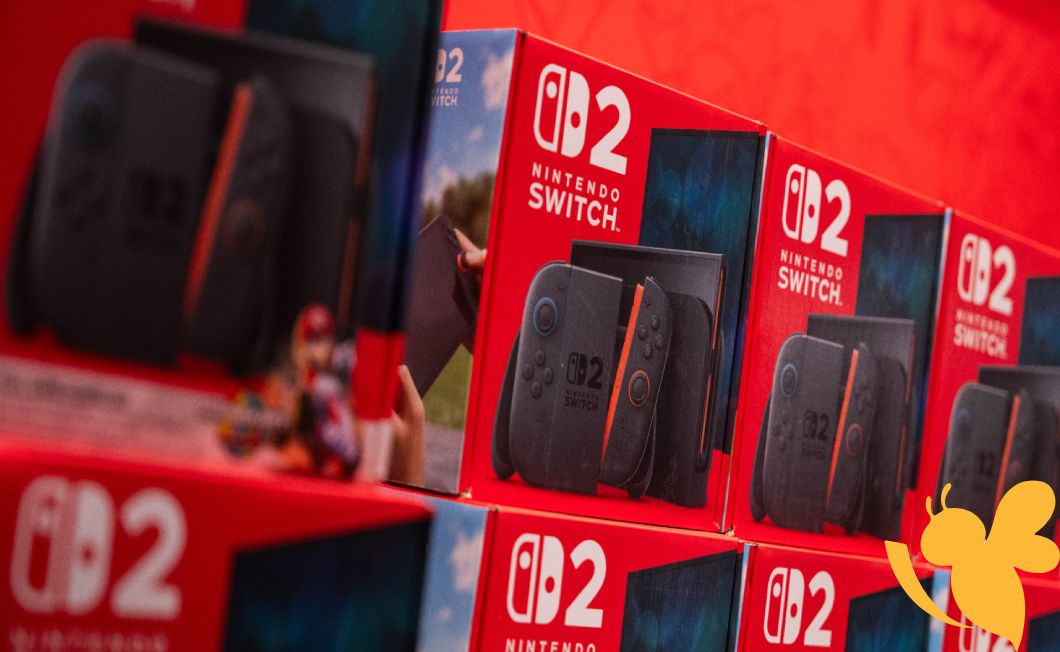
The recent incident involving Nintendo’s ban of a Switch 2 user for installing patches on second-hand games highlights significant concerns regarding the company's policies on game ownership and digital rights management. The user had acquired used Switch 1 games from Facebook Marketplace, a common practice among gamers seeking to access titles at reduced prices . However, Nintendo's swift action in banning this user raises questions about the ethical implications of restricting access to legally purchased content.
Reddit user dmanthey said they inserted each game into their Switch 2 to patch, but found out that their online services were restricted the day after. The Switch 2 user contacted Nintendo support and discovered they were banned, but provided proof of purchase and was unbanned shortly after. The Redditor said the "whole process was painless and fluid," but this reactionary banning protocol may be an alarming precedent for anyone looking to save a few dollars by buying used games.
To understand why this happened, it's important to note that Nintendo attaches unique codes to its Switch game cartridges to prevent piracy. However, bad actors can copy games onto a third-party device, like the MIG Flash, and then resell the physical game card. Once Nintendo detects two instances of its unique code being online at the same time, it will ban any accounts using it. Anyone pirating Nintendo's software understands this is a potential consequence, but it would come as an annoying surprise to oblivious second-hand buyers. After proving they bought the Switch games, Redditor dmanthey said they were told the cartridges were fine and even able to be resold.
Nintendo is known for being protective of its intellectual property and delivers harsh penalties to anyone caught violating it. We’ve already had several reports of users getting banned for using Mig Flash, even on their own ROMs. And while it’s not true that getting banned turns your Switch 2 into a brick, it will still prevent you from accessing the company’s online services, which severely restricts its features and usability.
According to Reddit user dmanthey, they were inexplicably banned earlier this week after simply downloading patches for four Switch 1 games purchased from Facebook Marketplace. They described inserting each game into Switch 2 one by one and waiting for the patches to download, only to turn on the console the next day and find their online access restricted, preventing them from even downloading the games they had bought.
This situation is reminiscent of broader debates surrounding digital ownership and consumer rights in the gaming industry. Critics argue that such bans infringe upon users' rights to enjoy content they have legitimately obtained . Furthermore, these practices could be viewed as an extension of Nintendo's controversial ability to remotely disable consoles, which has previously drawn legal scrutiny. The balance between protecting intellectual property and respecting consumer rights remains a contentious issue within the gaming community.
Read more
‘Superman’ Earns $56M on Friday, Projected to Open with $115M–$121M+ Following A– CinemaScore Sheeraz’s Victory Against Berlanga Sparks Talks of 2026 Bout with Canelo AlvarezSara H


Also on site :
- This Comfy Shoe Brand Has Affordable Holiday Gifts for Everyone on Your List—From Golfers to Fashionistas
- WHO questions Russia: "If plague is ruled out, what did she actually die from?"
- Taylor Swift Ex Reportedly Tried to ‘Resolve Lingering Issues’ with Her Right Before Travis Kelce Wedding as the NFL Player Pushed Back on the ‘Painful’ Request