
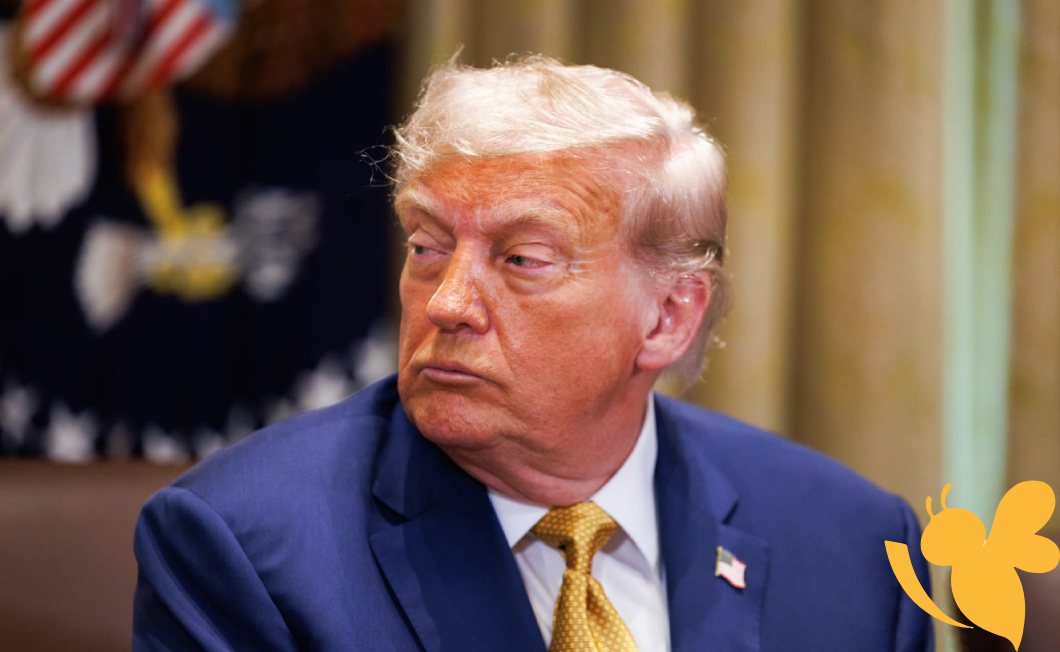
President Trump's announcement of a 30% tariff on EU and Mexican imports, effective August 1st, intensifies trade tensions. This action, part of a broader strategy including prior tariffs on nations like Japan and Canada, aims to address trade imbalances, particularly the $235.6 billion U.S. trade deficit with the EU in 2024.The EU and Mexico have both vowed to retaliate with their own tariffs on American goods, potentially sparking a trade war. Experts warn that these tariffs could increase costs for U.S. consumers and businesses, disrupt supply chains, and negatively impact economic growth. The move has already drawn criticism from various sectors, including agriculture and manufacturing, who fear losing access to crucial export markets. While the administration argues these measures are necessary to protect American jobs and industries, the long-term consequences remain uncertain as global trade relations face increasing strain.
Trump has imposed a slate of tariffs on US trading partners this year – then paused, modified, raised or lowered them, in a chaotic barrage of policy actions that’s left everyone from major nations to individual Americans trying to figure out how to plan for the future even as economic uncertainty grows.
The EU and Mexico join a growing list of countries whose imports will face updated duties on August 1, since Trump began posting tariff letters on Monday with rates of up to 40%.
In his letters to the EU and Mexico, Trump said that all imports were subject to the 30% tariff, excluding “Sectoral Tariffs,” such as the 25% auto tariff.
Canada is far from the only target. In an interview Thursday with NBC News Trump suggested that he plans to raise his “baseline’’ tariff on most imports from an already-high 10% to as much as 20%. Trump sees the baseline tariffs as a way to finance the budget-busting tax cuts in the “One Big Beautiful Bill’’ he signed into law July 4.
Those tariff threats came after his extraordinary decision Wednesday to impose a 50% import tax on Brazil mainly because he didn’t like the way it was treating former Brazilian president Jair Bolsonaro, who is facing trial for trying to overturn his electoral defeat in 2022.
In his letter to current Brazilian President Luiz Inácio Lula da Silva, Trump also incorrectly claimed that Brazilian trade barriers had caused “unsustainable Trade Deficits against the United States.’’ In fact, U.S. exports to Brazil have exceeded imports for 18 straight years, including a $29 billion surplus last year.
Market analysts predict that these tariffs will adversely affect both the euro and the Mexican peso, potentially triggering retaliatory measures from affected nations . Trump's administration has signaled that further increases in tariffs could ensue if counteractions are taken by these trading partners. This situation underscores the fragility of international trade relations and raises concerns regarding potential escalation into a full-blown trade war.
Ultimately, while intended to bolster domestic economic interests, such protectionist policies may lead to unintended consequences that could destabilize global markets and harm consumers through increased prices on imported goods.
Read more
New Windows 11 build introduces self-healing "quick machine recovery U.S. State Department Launches Layoffs in Trump’s Diplomatic Corps Shake-Up
Sara H


Also on site :
- This Comfy Shoe Brand Has Affordable Holiday Gifts for Everyone on Your List—From Golfers to Fashionistas
- WHO questions Russia: "If plague is ruled out, what did she actually die from?"
- Taylor Swift Ex Reportedly Tried to ‘Resolve Lingering Issues’ with Her Right Before Travis Kelce Wedding as the NFL Player Pushed Back on the ‘Painful’ Request