
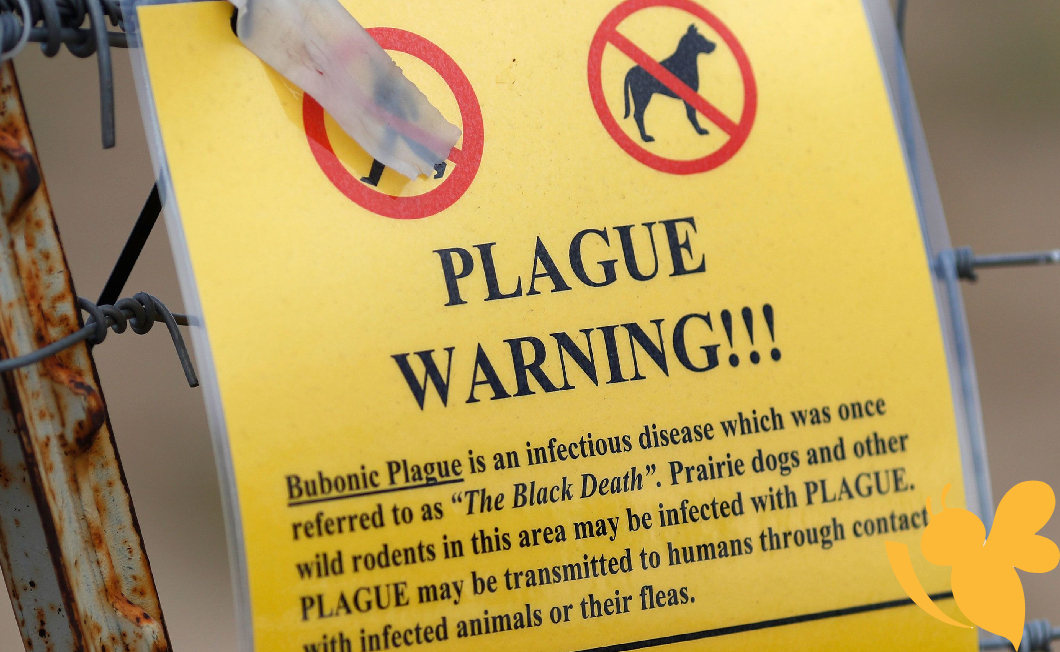
The recent death of a resident in Coconino County, Arizona, due to pneumonic plague marks a significant public health concern, as it is the first fatality from this disease in nearly two decades . Pneumonic plague, caused by the bacterium Yersinia pestis, is a severe lung infection that can lead to rapid deterioration and death if left untreated . This incident underscores the importance of awareness regarding zoonotic diseases that may persist in certain regions despite being rare.
This was the first recorded death from the disease in the county since 2007, Coconino County Health and Human Services reported. In that case, a person had an interaction with a dead animal infected with the disease.
Plague, known as the "Black Death" in the 14th century, killed up to half of Europe's population. It is now rare in humans and can be treated with antibiotics.
An average of seven human plague cases are reported each year in the US, the Centers for Disease Control and Prevention says.
Coconino County government said the risk to the public of exposure remains low.
The death in Coconino County, which includes Flagstaff, was the first recorded death from pneumonic plague since 2007, local officials said. Further details including the identify of the victim were not released.
"Our hearts go out to the family and friends of the deceased," said Coconino County Board of Supervisors Chair Patrice Horstman said in a statement. "We are keeping them in our thoughts during this difficult time. Out of respect for the family, no additional information about the death will be released."
Plague is a bacterial infection known as "The Black Death" that killed tens of millions in 14th century Europe. During an eight-year period, from 1346 to 1353, it killed up to 60% of the population of Europe, the Middle East and Africa, according to estimates.
Pneumonic plague symptoms include fever, headache and rapidly developing pneumonia, with shortness of breath, chest pain and coughing. Symptoms develop within one to eight days of exposure.
Plague can be cured through antibiotics, but the treatment must be given quickly, according to the C.D.C.
The risk of human-to-human transmission of the plague is low and the last known case happened in 1924 in Los Angeles, according to the National Institutes of Health.
Plague is one of many diseases endemic to the southwestern United States, including West Nile virus, hantavirus and rabies.
Health officials have indicated that while the risk to the general public remains low following this tragic event, preventive measures are essential. Recommendations include avoiding contact with wild animals and utilizing insect repellent when outdoors. Furthermore, pet owners are urged to seek veterinary care for ill pets to mitigate the risk of transmission. As such cases highlight ongoing challenges in managing infectious diseases within communities, continued vigilance and education remain paramount.
Read more
Trump Targets Mexico and EU with 30% Import Tariffs New Windows 11 build introduces self-healing "quick machine recoverySara H


Also on site :
- This Comfy Shoe Brand Has Affordable Holiday Gifts for Everyone on Your List—From Golfers to Fashionistas
- WHO questions Russia: "If plague is ruled out, what did she actually die from?"
- Harry & Meghan’s 2-Word Response Revealed After Report They Want to Apologize to William & Kate